Final Fight CD is fantastic. I didn't want to stop playing it. It's almost gaming perfection — pretty, pretty, pretty close.
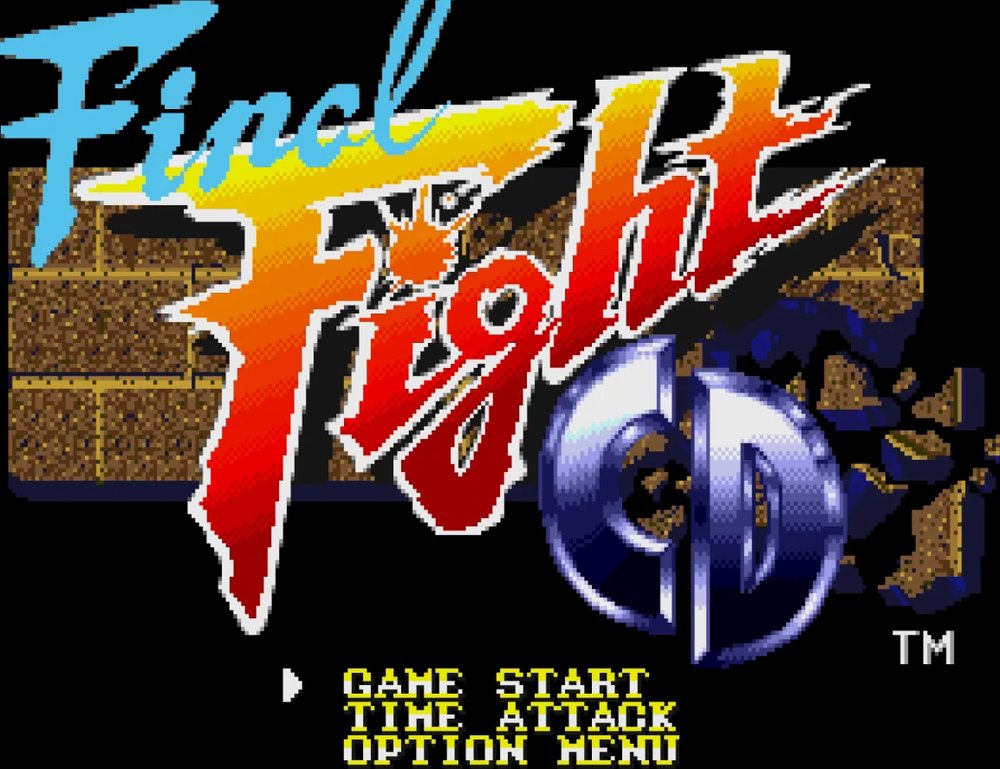
Final Fight itself isn't new to me. If you grew up through the 80s and went to the arcade, you played it. I played it plenty, I absolutely loved it, and it was a great way to get rid of all your money in not very much time. What was new to me was this version. Released in 1993, it was Sega's go at bringing Capcom's 1989 arcade classic home under licence, and unlike some of the earlier conversions it gets surprisingly close.
What it puts back
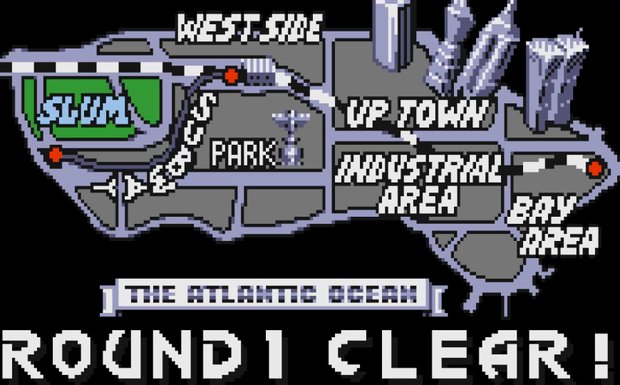
The SNES version looked really good, but it made some big compromises to squeeze onto that machine. Guy was missing. An entire stage was cut — the Industrial Area. And incredibly, for a beat 'em up, there was no two-player mode at all. Final Fight Guy later brought Guy back, who knew, but removed Cody instead. A bit of a one-in, one-out moment.
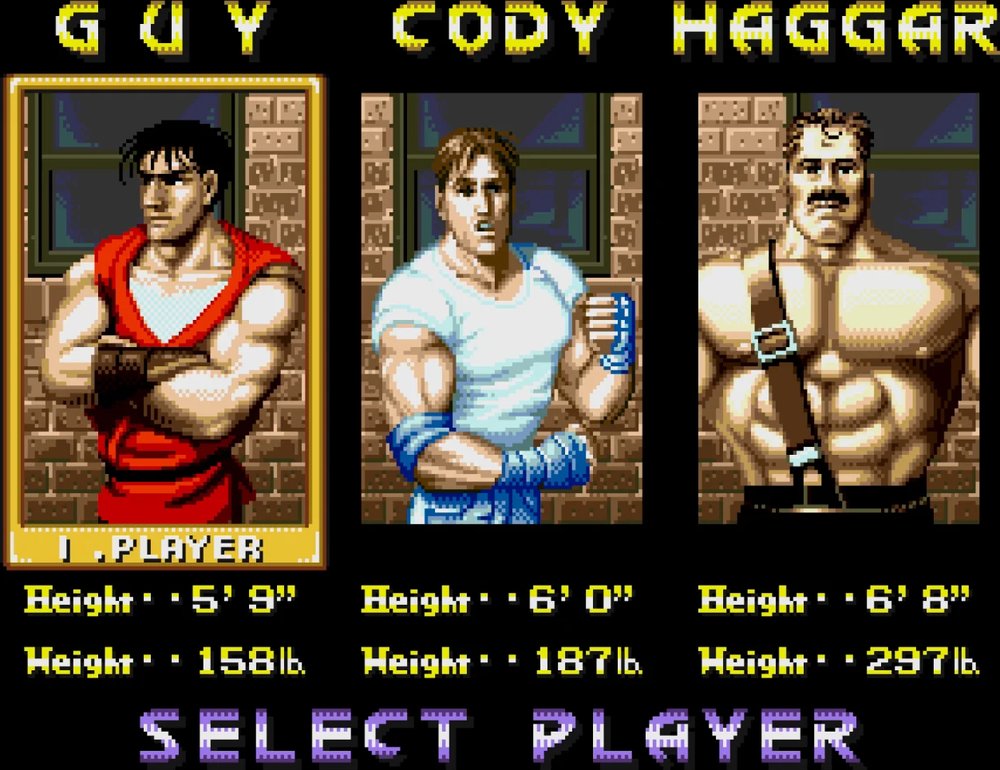
The Mega CD version restores all of it: all three characters, all six stages, two-player co-op. Then it adds a time attack mode, some voice acting, and best of all a brilliantly arranged CD soundtrack. That music has this real 80s vibe about it — the future according to the 80s, which is a thing I love in so many games and films from that era.
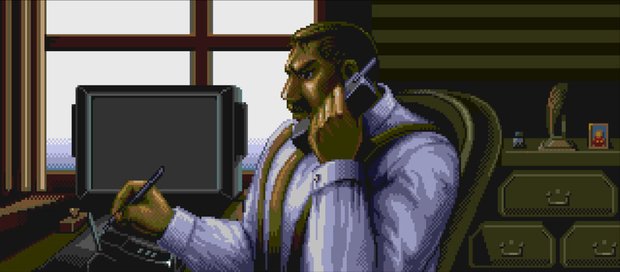
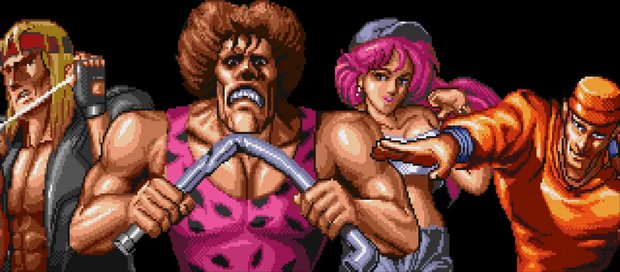
It isn't arcade perfect. There are fewer colours, some visual detail is lost, and the arcade original can chuck more enemies around. But as an early 90s home conversion it's remarkably complete. Reviews at the time were generally positive and it's gained a reputation as possibly the best home version of Final Fight, though I'm reliably informed the Japanese Sharp X68000 version has a strong claim on arcade accuracy too. I can't speak from experience — I've never seen it. That's just what the humble internet tells me.
They haven't tried to do anything really, really super clever with it. They've just tried to make it as authentic to the arcade as they can, with a little bit of garnish on top.
That, for me, is where the Mega CD was actually at its best. People say there aren't many reasons to own one, that these sorts of games weren't really improved by it — but I think they were. Take a good game, add a proper soundtrack, push the capabilities a bit. Where it went wrong was going crazy on the full motion video thing. Some of those games are so corny. I did think about covering one this week — Road Avenger crossed my mind, and it's a good-looking game — but with most of them you have to play an awful lot to get the hang of them, and really it's just reactions: left, right, left, right, press a button.
The ridiculous bit
Owning this version isn't cheap. A decent complete boxed copy is around £60, which is what I paid for a fairly bashed-up one, and they can go up to £90. Really pristine examples go well beyond £100.
And here's the daft part. If you just want to play Final Fight today, the actual arcade version is available through things like the Capcom Beat 'Em Up Bundle or Capcom Arcade Stadium for very little money. But that isn't Final Fight CD. You don't get this soundtrack, you don't get the time attack mode, and all the quirks of this particular version aren't there. It also emulates pretty well, incidentally — some Mega CD games haven't emulated all that well for me this month, but this one's fine, because it's a 16-bit game with a bit of extra soundtrack laid over the top. It isn't having to push hard.
Playing it again
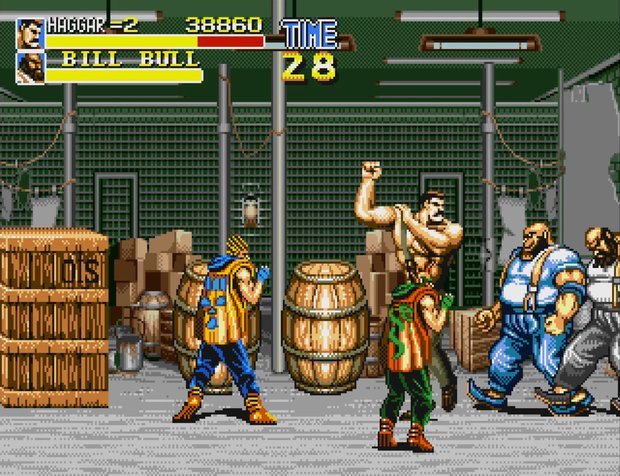
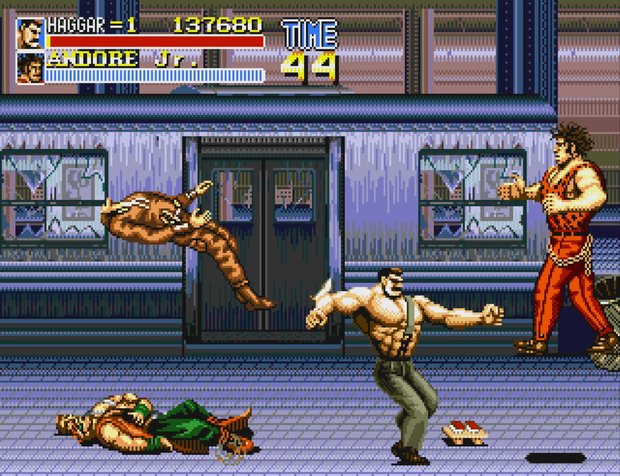
I normally pick Guy in the arcade, but I went with Haggar this time — and promptly discovered I'd lost my knack. I lost two lives clearing the first stage alone, spent far too much of my time worrying about picking things up, and got thoroughly done in by a couple of the bigger enemies who I don't remember being anything like that much of a nuisance. Entirely my fault, not the game's. It's so addictive that I kept saying "a couple more minutes" and then carrying on.
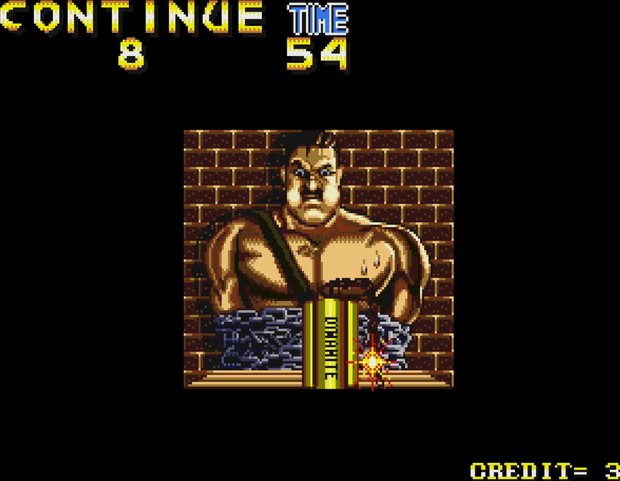
It's not multidimensional. You don't play these for the deep story. You play them to test your reactions and to kick seven shades of whatever out of everyone in front of you, and I miss that simplicity. In the arcade the real trick was having a lot of money — 30p a go here, a quarter in the States, and you got far into the game by feeding the machine, because the whole point was separating you from your cash.
There's a nice bit of history behind all that, too. Final Fight didn't start life as Final Fight at all. It began development as Street Fighter '89, a sequel to Capcom's 1987 original — and only became a side-scrolling brawler, with a new name, after Double Dragon showed everyone how well that genre could do.
Which is why, honestly, the best way to play Final Fight is still two-player co-op in an actual arcade. If you can find one, do that. But if you've got a Mega CD lying around and somewhere between £60 and £100 going spare, this is a genuinely great way back in. A die-hard arcade classic, and this version does not disappoint.