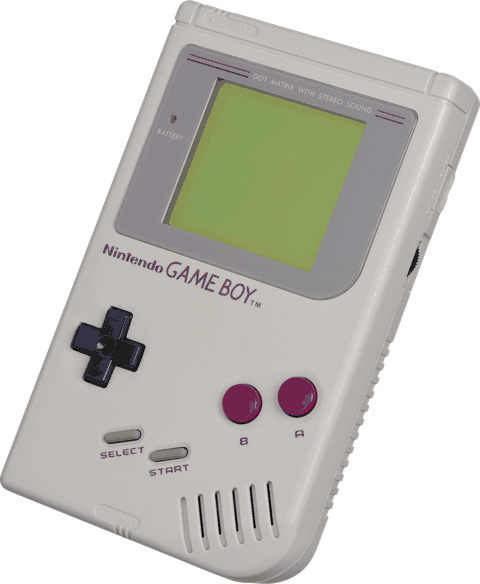
Let me open with the controversial bit. On paper, the Game Boy should have been destroyed. It was monochrome. Its processor was pretty modest even in 1989. Within a year of launch it was up against machines with beautiful colour screens and significantly more powerful hardware. If this had been a battle fought on specification alone, Nintendo would have lost by miles.
Instead the little grey box became one of the most successful games consoles ever made — bigger still once you fold in the Game Boy Colour — and it changed the way the world thought about portable gaming. It stopped being a gimmick. It turned "Game Boy" into a generic term: for millions of us through the nineties, every handheld was simply a Game Boy, whether it actually was one or not.
The spec sheet was never the point
Read the magazines and the marketing of the early nineties and the Game Boy looked hopelessly outclassed. The Atari Lynx had a large colour display and hardware that looked years ahead. The Game Gear had an illuminated colour screen and hardware based on Sega's hugely successful Master System, which meant it could bring a lot of Sega's home console library into your hands. And the Game Boy had four shades of grey. No colour. No flashy graphics. No technical showpiece whatsoever.
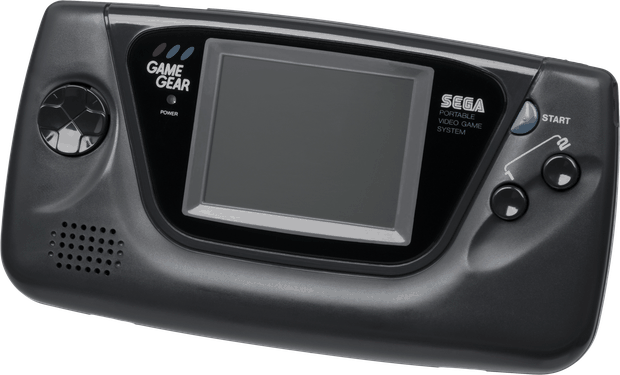
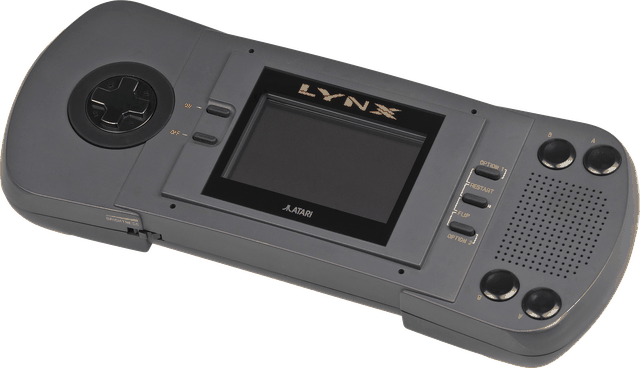
Nintendo wasn't trying to build the most technically impressive handheld. They were trying to build the best handheld. Those are two very different things.
We've seen them do exactly this again since — the Wii being the obvious one. And to understand why they did it in 1989, you have to look at the man who designed it.
Lateral thinking with withered technology

If you know the Game & Watch, you'll know the name Gunpei Yokoi. His thinking shaped almost everything about the Game Boy, and it comes down to a phrase I absolutely love: lateral thinking with withered technology. It sounds complicated. It really isn't. You don't chase the newest technology just because it's new. You take technology that's already mature, reliable and affordable, and you use it in clever ways.
Atari and Sega chased bigger screens and more advanced hardware. Nintendo deliberately chose proven parts — and the benefits were enormous. It was significantly cheaper to manufacture. It was much smaller. It was more reliable; these things are bombproof. And it was far more energy efficient.
None of that was forced on Nintendo. Every one of those compromises was a conscious design decision, and every compromise was really an investment somewhere else. Less demanding hardware bought you exceptional battery life. Cheaper components bought you a lower price on the shelf. A simpler screen bought you a lighter, more compact machine. Once you understand the philosophy, everything else about the Game Boy makes perfect sense.
The three machines, side by side
| Game Boy | Game Gear | Atari Lynx | |
|---|---|---|---|
| Launched | Apr 1989 | Oct 1990 | Sep 1989 |
| US price | $89.99 | $149.99 | $179.99 |
| UK price | £69.99 | £99.99 | — |
| Screen | Monochrome, 4 shades | Colour, backlit | Colour, backlit |
| Batteries | 4 × AA | 6 × AA | 6 × AA |
| Battery life | up to 30 hrs | 3–5 hrs | 4–5 hrs |
| Units sold | 118.69m* | ~14m | ~2m |
* Game Boy and Game Boy Color combined, to discontinuation in 2003.
It was actually portable — which in 1989 was not a given
Four AA batteries got you somewhere between fifteen and thirty hours, depending on the batteries and the game. The Game Gear needed six AAs and typically managed three to five. The Lynx wasn't much better — maybe an extra hour if you were lucky. Four batteries, fifteen to thirty hours versus six batteries, three to five hours. That's not a minor inconvenience, that fundamentally changes how you use the machine. Picture heading off on a family holiday in 1991: the Game Boy survives the journey, the Game Gear might need a fresh set before you've even arrived.
Then there's size. The original Lynx is enormous — the second model is closer to Game Gear territory, and the Game Gear isn't exactly small either. The Game Boy disappeared into a rucksack or a big coat pocket.
And the screen. Yes, monochrome — but Nintendo chose a reflective LCD that sipped power and stayed surprisingly usable in daylight. It still is; I can vouch for that. The colour handhelds looked spectacular in adverts and under shop lights, but they drank power and weren't always great outdoors. I took the Game Gear away on holiday last year and simply could not play it on the sunbed. Nintendo understood that a handheld isn't a home console that happens to have batteries. It's something you carry.
The price made the decision for you
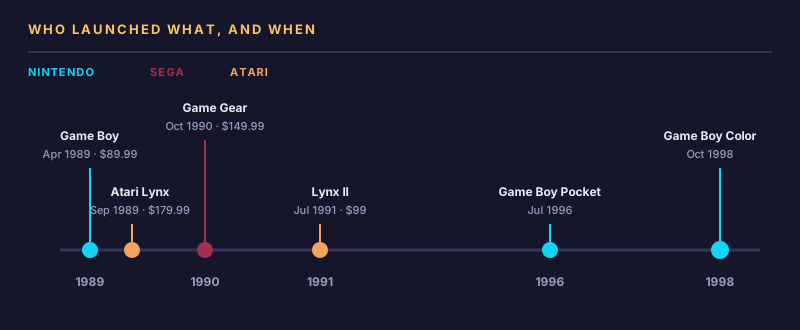
The Game Boy launched in North America at $89.99, and here in the UK at £69.99. The Game Gear was $149.99, the Lynx $179.99 — the Game Boy was half the price of the Atari. And remember, these weren't premium gadgets bought by adults. They were birthday presents, Christmas presents, rewards for passing exams. Parents weren't asking which had the most colours or the fastest processor. They were asking which one they could afford.
Trust, and then Tetris
Nintendo also had something you can't manufacture. By 1989 the NES had revitalised the home console market — saved it from near oblivion in the US. Mario was one of the most recognisable characters in the world, and so were Zelda, Metroid and Donkey Kong. Parents trusted Nintendo, retailers trusted Nintendo, and developers wanted to make games for Nintendo systems because they knew an audience was waiting. Sega had momentum and Atari had history, but Nintendo had confidence — millions of people already believed the machine would be supported. They were right.
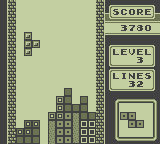
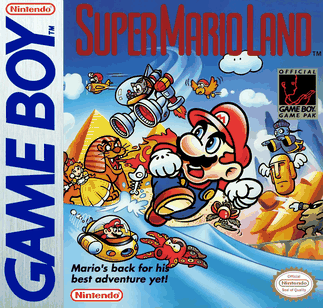
And then the smartest marketing decision of the lot: bundling Tetris rather than Super Mario Land. Mario was aimed largely at children — I still love playing it and make no apologies for that — but Tetris appealed to absolutely everybody. Children, parents, teachers, business people, grandparents. People who'd never have called themselves gamers suddenly were. The console stopped looking like a toy. We saw the same trick years later with grandma bowling on the Wii.
After that came one of the greatest software libraries ever assembled: Super Mario Land, Link's Awakening, Metroid II, Kirby's Dream Land, Donkey Kong — and one little game called Pokémon that's still going strong. The Game Gear had Sonic and the Lynx had some genuinely impressive exclusives, but neither could match the depth, consistency and longevity of Nintendo's library.
Great hardware sells consoles at launch. Great games keep selling them for years.
The gap is barely believable
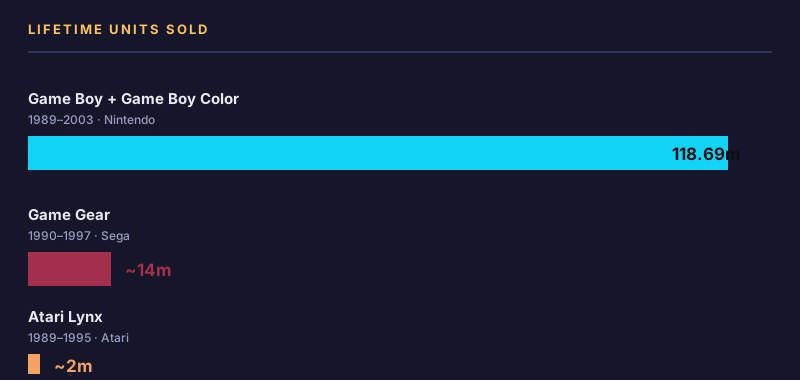
Put the three next to each other and the scale of it lands properly. The Game Gear and the Lynx sold about 16 million machines between them across their entire lifetimes. The Game Boy sold more than seven times that on its own.
The philosophy never changed
Affordable, reliable, compact, and batteries that lasted days rather than hours — every one of those is a sucker punch to the rivals. Every design decision served the same goal: not to build the most impressive handheld, but the one people would actually use. And then momentum did the rest. The more people bought it, the more people wanted it.
What's remarkable is how little that philosophy has shifted. Game Boy, Game Boy Advance, DS, 3DS, Switch, Switch 2 — different technology, different audiences, different generations, same underlying idea. Nintendo still isn't trying to build the most powerful hardware on the market. It didn't with the Wii, it didn't with the Switch, and it hasn't with the Switch 2. It's trying to build hardware people love to play.
Everyone else has tried to catch them in handhelds and most have failed — the Neo Geo Pocket, the PS Vita, the lot. The PSP was probably the closest, and that's about it. Nearly forty years on, I'm going to say it: Nintendo is still the undisputed king of handheld gaming.
I do still mull over the Game Gear, mind. I love the thing. On the face of it you always wonder why it didn't do better — and the Lynx did even worse. A shame for them. But entirely understandable.