Last time out I asked how the Game Boy beat the competition, and I gave the practical answers: battery life, price, portability, games. All true. But there's a bigger question sitting underneath it, and it's the one that actually interests me. Why did Nintendo make those choices in the first place? Why deliberately build a machine out of technology that already looked dated?
The answer is a man called Gunpei Yokoi — someone who, if you cut him open like a stick of rock, would have Nintendo written all the way through. Apologies to anyone outside the UK, but you get the gist. He didn't just help create the Game Boy. He had a philosophy about technology that explains almost every decision inside it, and you can still see that philosophy alive and well at Nintendo today.
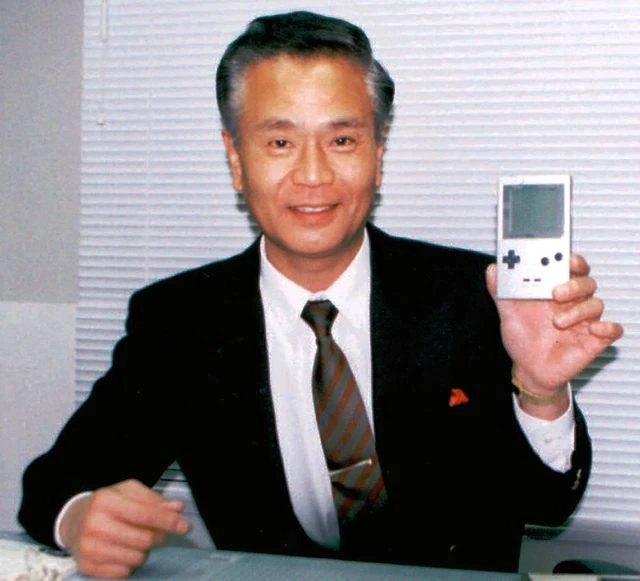
Lateral thinking with withered technology
That's the phrase most associated with Yokoi, and I absolutely love it — it really resonates with me as an engineer myself. It doesn't sound like the slogan for the next billion-dollar tech company, does it? But "withered" doesn't mean bad or obsolete. It means mature. Well understood. Reliable. And, crucially, cheap to manufacture.
So instead of constantly chasing the newest, bleeding-edge component, the question becomes: what interesting things can I do with technology that already exists? The advantages are enormous. Parts are cheaper. Manufacturing processes are established. The limitations of the hardware are known quantities. And because you can't lean on raw technological spectacle, you're forced to concentrate on the stuff that actually matters — the experience, the toy, the game, the fun.
Technology should serve an idea rather than becoming the idea itself.
From production line to Ultra Hand
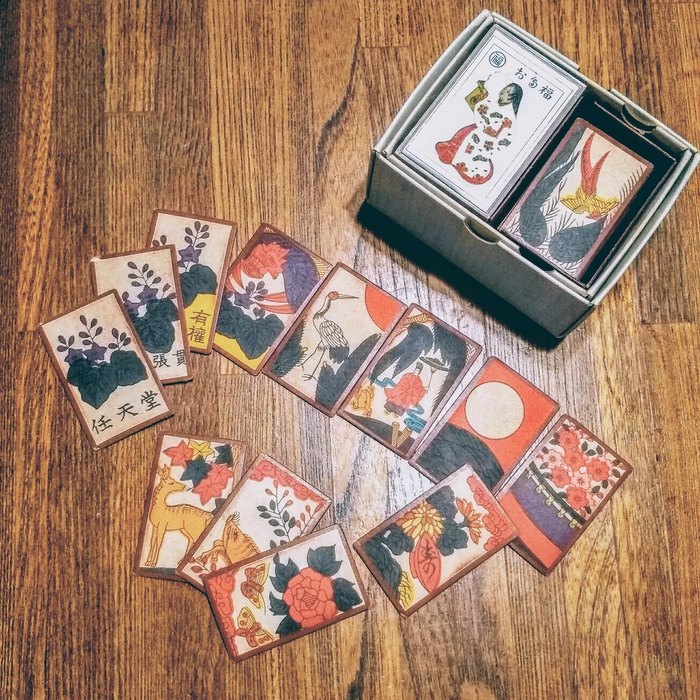
Yokoi joined Nintendo in 1965, a very different Nintendo from the one we know — a company that had been making playing cards since 1889 and had spent years trying to diversify. He wasn't hired as a visionary designer. He was an electrical engineer brought in to maintain the machinery that stamped out hanafuda cards, and he found it pretty boring.
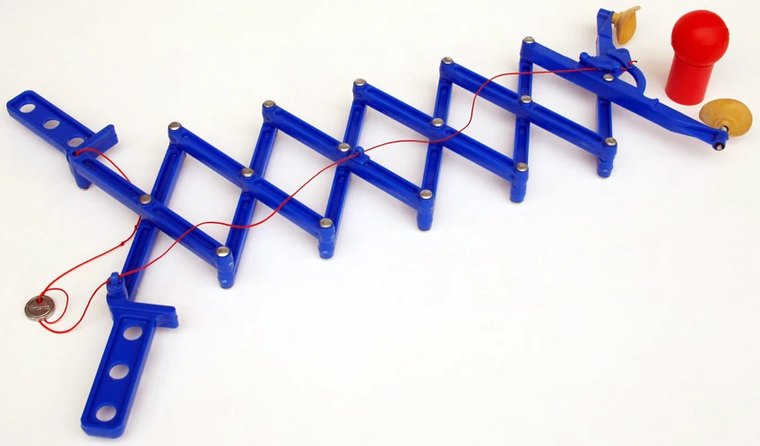
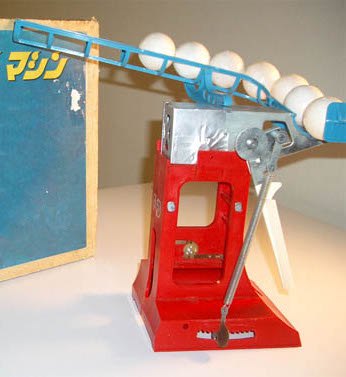
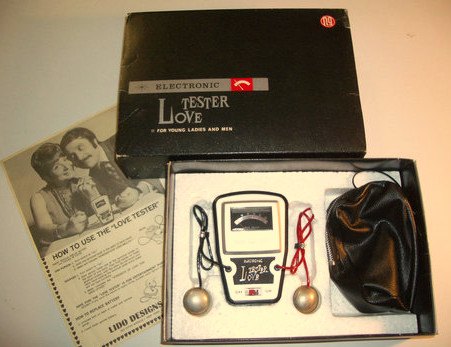
So he tinkered. He built a simple extended arm using a cross-lattice mechanism that let you grab objects from a distance. Nintendo president Hiroshi Yamauchi spotted it and, rather than asking why one of his engineers was messing about instead of working, saw a product. That became the Ultra Hand, released in 1966, and it was a huge hit. Suddenly Yokoi was designing toys — the Ultra Machine, a mechanical pitching machine, and the wonderfully strange Love Tester.
The story goes that he later watched a businessman on the bullet train absent-mindedly pressing buttons on a pocket calculator to pass the time. Calculators had become cheap, LCD displays were mature — so, the very Yokoi question: what else could we do with them? The answer was Game & Watch, starting with Ball in 1980. Simple, portable, affordable, enormously successful. I loved them as a kid, though mine were usually the non-branded market-stall versions. Same DNA, hours of entertainment. I had quite the collection back in the 80s.
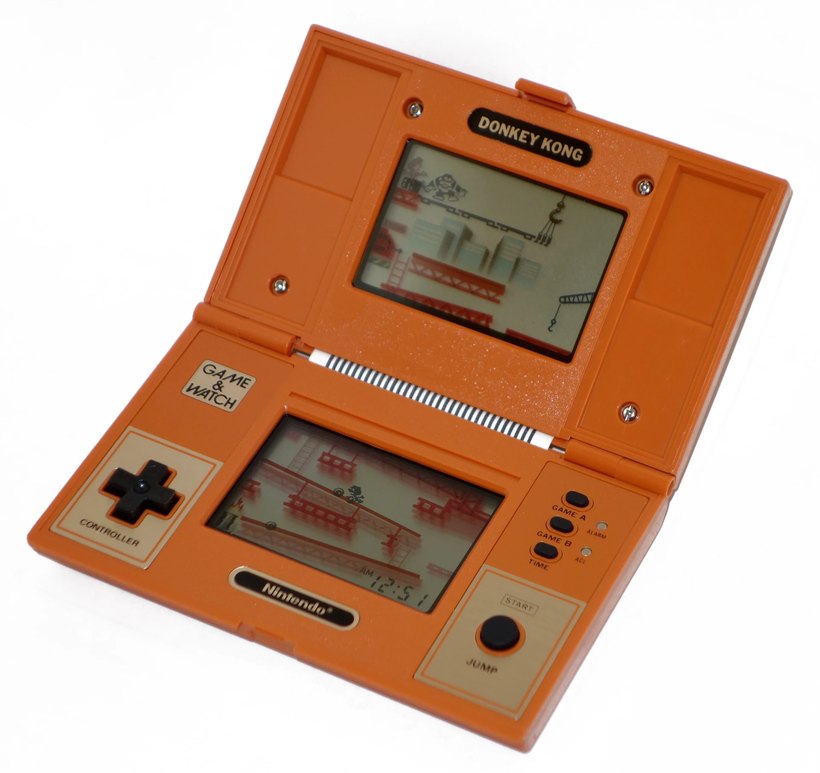
Game & Watch also gave us something else. For the 1982 Donkey Kong version, Nintendo needed better directional control and a joystick would have been far too bulky, so Yokoi's team came up with a small cross-shaped controller. Up, down, left, right. It went onto the Famicom and NES pads, and variations have appeared on virtually every controller since. The D-pad is still integral to gaming today.
The Game Boy as philosophy made physical
The Game Boy arrived in Japan in April 1989, and if you wanted to turn Yokoi's philosophy into an object, you'd struggle to find a better one. Monochrome display. Modest processor. Limited graphics. Against the colour screens of the Atari Lynx and Sega Game Gear it looked positively primitive.
But the things that made it look inferior are exactly the things that made it brilliant. That simpler LCD meant dramatically lower power draw — four AA batteries giving anything from 15 to 30 hours depending on conditions, against a handful of hours from six batteries in some colour rivals. It was smaller, cheaper, tougher, genuinely more portable. The Lynx, at $179.99 against the Game Boy's $89.99, was exactly double the price.
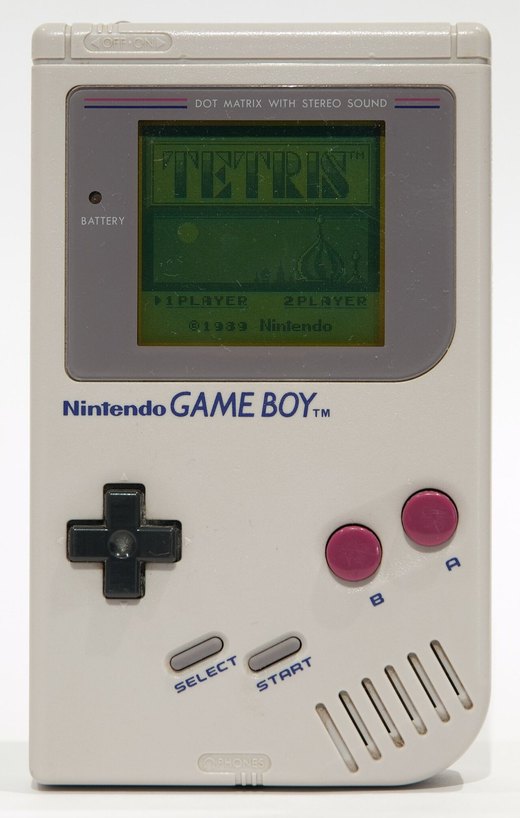
Yokoi understood something fundamental: a portable console has to be good at being portable. Sounds obvious now, but the temptation is always to build a shrunken home console — more power, better graphics, bigger screen — and every one of those costs you size, battery life and retail price. Nintendo made different compromises because they understood the context. You throw it in a bag. Kids drop it. Parents have to afford it. You shouldn't be changing batteries halfway through the car journey.
Tetris might be the ultimate proof. No spectacular graphics needed, no processing muscle, instantly understandable, endlessly replayable, perfect in short bursts. Bundling it was a masterstroke — it helped drag the machine out of the "toys for children" box, because now adults were playing on trains, planes, lunch breaks and holidays.
The Virtual Boy, and a career cut short
Yokoi headed R&D1, worked alongside a young Shigeru Miyamoto supervising some of his early output, and the division became associated with Metroid and Kid Icarus as well as the handhelds. He wasn't just an inventor — he could recognise good ideas and build teams that could deliver them.
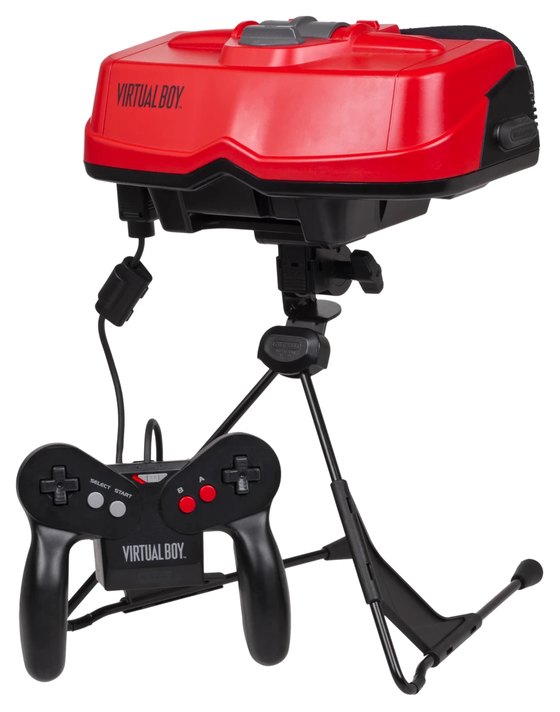
Then there's the Virtual Boy. Released in 1995, stereoscopic display, red graphics on black, face pressed against the visor. I was fascinated by it at the time. It was also one of Nintendo's greatest commercial failures — uncomfortable, not really portable, tiny library, gone almost as fast as it arrived, never even released in Europe. The tidy version of the story says Yokoi made it, it flopped, Nintendo pushed him out. The reality is more nuanced: he reportedly had reservations about the technology being released before it was ready, and Nintendo maintained his departure was unconnected to the machine's performance, saying he had already planned to leave.
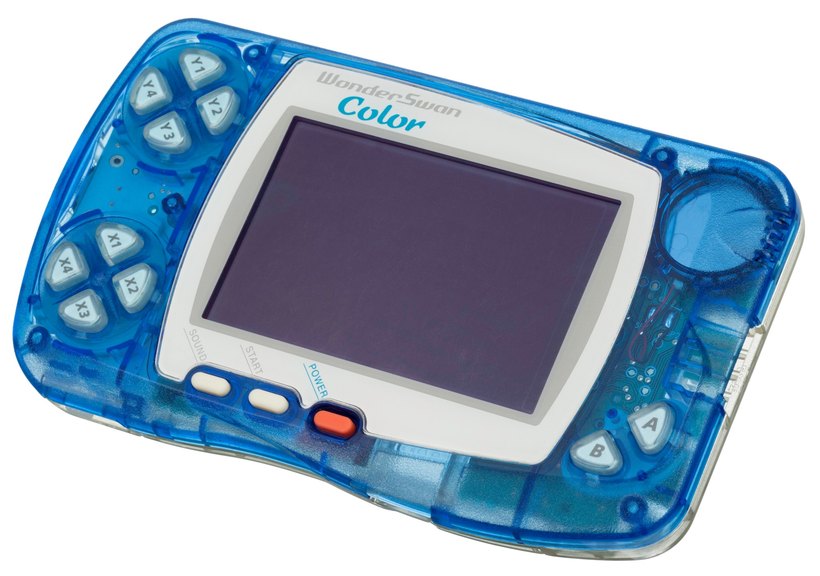

He left on 15 August 1996 after 31 years, founded Koto Laboratory and went straight back to handhelds, working with Bandai on the WonderSwan — compact, affordable, efficient, built around battery life rather than brute force. He never saw it launch. On 4 October 1997 he was involved in a minor collision on the Hokuriku Expressway, got out to inspect the damage, was struck by passing traffic and was pronounced dead two hours later. He was 56. The WonderSwan reached Japan in 1999 and, while it never came close to the Game Boy, it found a respectable following.
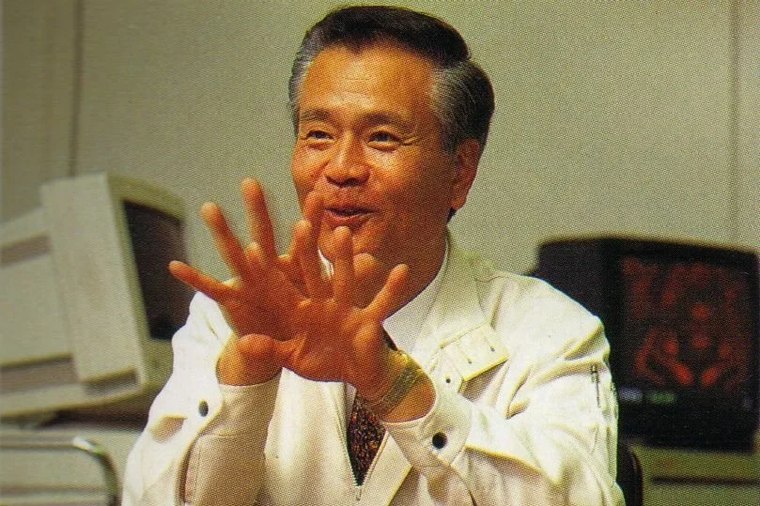
The philosophy outlived the man
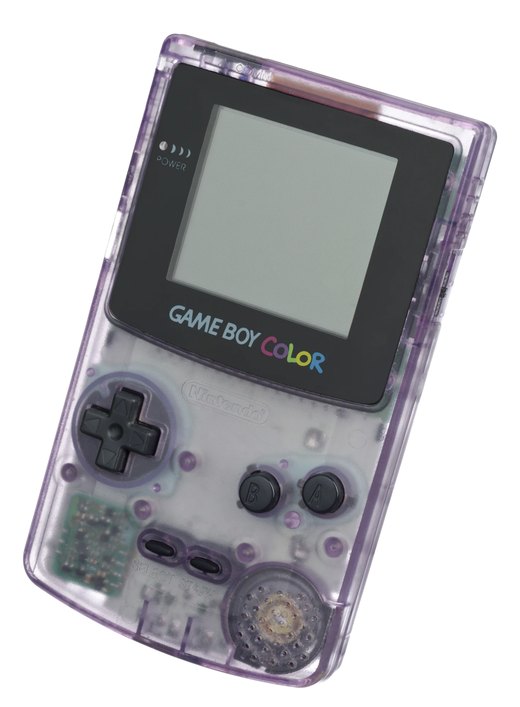
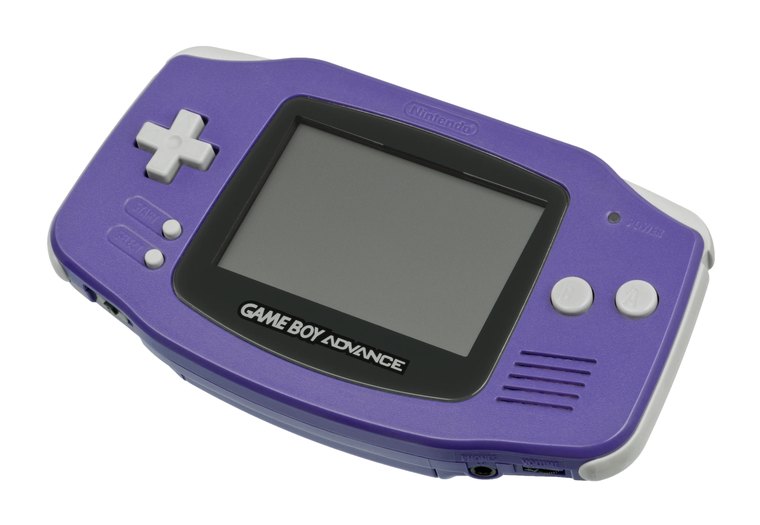
Look at what Nintendo did afterwards. Game Boy Color: added colour, stayed fundamentally conservative. Game Boy Advance. Then Sony's PSP turns up with a big widescreen, far more power and optical-disc multimedia — still possibly one of my favourite handhelds, I should say — and Nintendo's answer is two screens, a touchscreen, a stylus and modest hardware. The DS dominated.
Same story on the home side. Sony and Microsoft at loggerheads over HD graphics with the PS3 and 360; Nintendo turns up with weaker hardware, motion controls and a completely different audience, and the Wii becomes a phenomenon. The Switch couldn't compete on raw power, so it didn't try — it asked what if your home console is also your handheld?
That's pure Gunpei Yokoi. Not because every engineer there is sitting around quoting him, but because the philosophy is embedded in Nintendo's DNA.
Which is why calling him "the creator of the Game Boy" massively undersells him. The Game Boy is his masterpiece, absolutely — but there's Game & Watch, the D-pad, his influence on Nintendo's teams, and above all that principle. The Game Boy wasn't technologically modest because Nintendo didn't know how to build something better. It was modest by design, with the resources spent on the things that actually matter to someone carrying a games machine around. More than three decades on, that still feels remarkably modern.
We talk endlessly about Bill Gates or Steve Jobs. I don't think Yokoi gets anywhere near enough credit. Sometimes good-enough technology plus a brilliant idea is far more powerful than the most powerful machine in the room — and that might just be his greatest legacy.