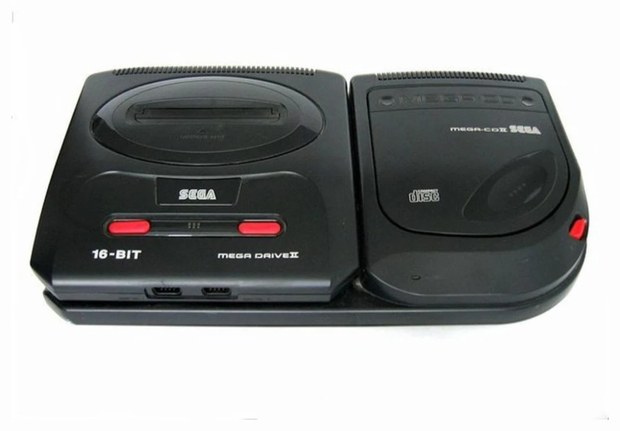
I've spent most of this month talking about the Mega CD's CD drive, which is fair enough — it is, after all, called the Mega CD. The storage, the CD-quality music, that infamous full motion video, the voice acting (some of it gloriously corny), and the early-90s obsession with stuffing real actors into video games whether anybody asked for it or not. I use the word "actors" sparingly in some cases. Sewer Shark, I'm looking at you.
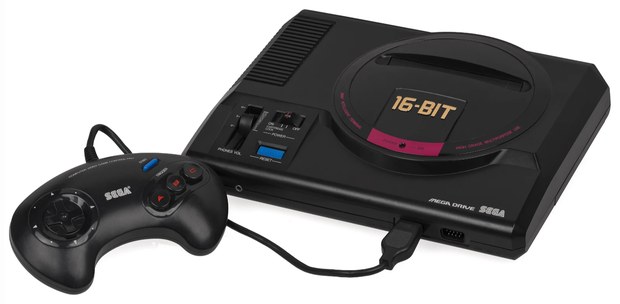
But I glossed over something. Sega didn't simply take a Mega Drive, shove a CD-ROM drive underneath it and charge £270 for the privilege. There's a surprising amount of new hardware inside that strange plastic growth: another processor, more memory, extra sound hardware, and some genuinely clever graphics capability that let developers do things a standard Mega Drive simply couldn't. Which is just as well, because £270 for a CD player would have been taking the mick even by 1993 standards.
I'll be honest — I didn't know any of this before I started digging. I thought it was a CD drive strapped to a Mega Drive. Every day has been a school day.
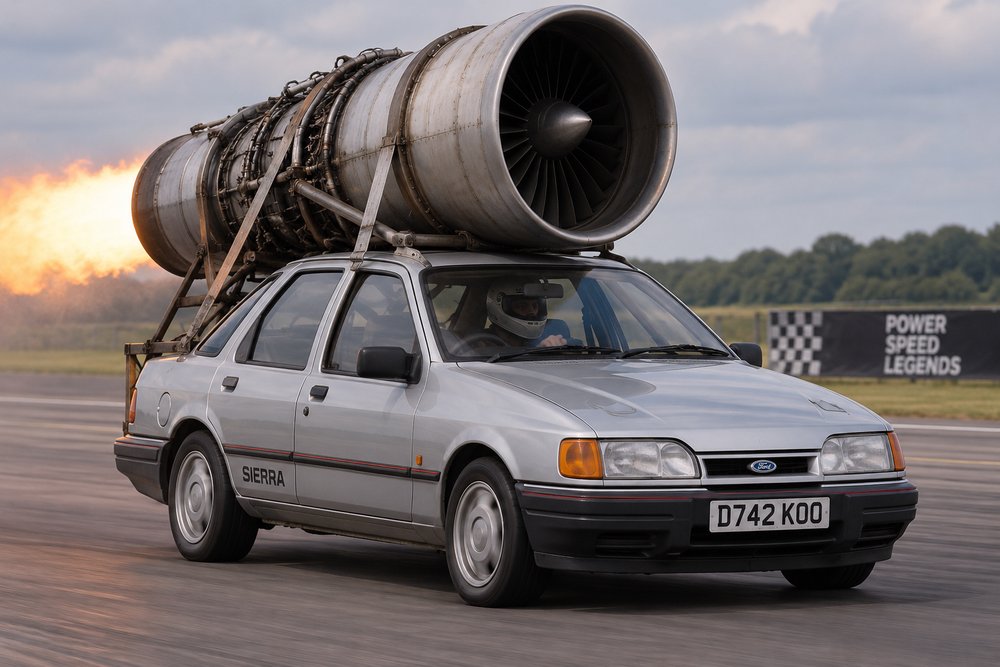
Two 68000s, which is not the same as twice the power
At the heart of the Mega Drive sat the ubiquitous Motorola 68000, running at around 7.6MHz. I know this chip rather well — I programmed on one back in my uni days, and it was everywhere in the late 80s and early 90s: the Amiga, the Atari ST, loads of arcade hardware. It was a really good processor, which is why you saw it so often.
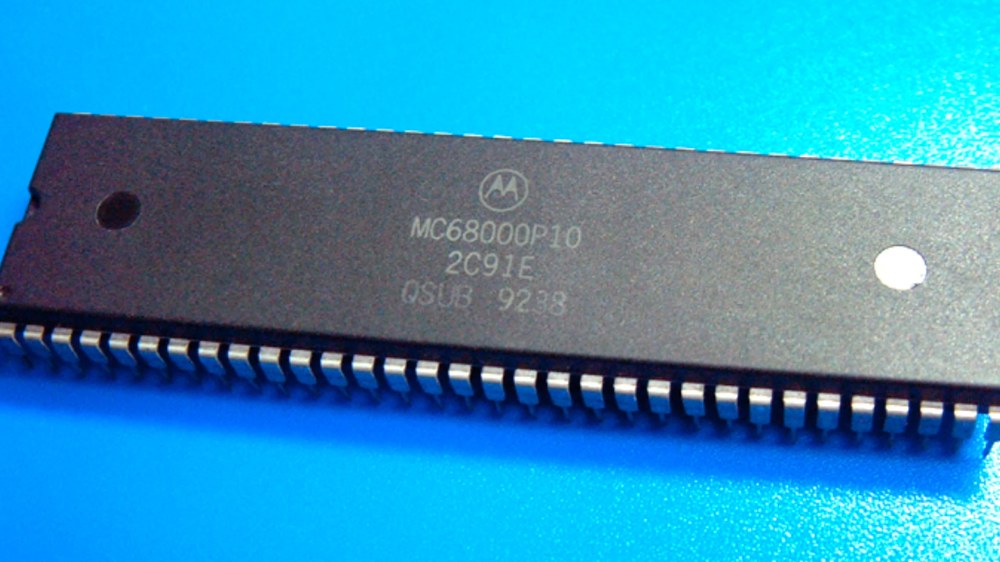
So when Sega wanted more grunt for the Mega CD, they came up with a wonderfully straightforward solution: put another one in. This one runs at 12.5MHz, a lot quicker than the Mega Drive's. Two 68000s, so twice the power, right? Well, no, obviously — computers enjoy making simple explanations unnecessarily difficult. The two chips didn't join hands and become a supercomputer. They had different jobs, developers had to decide how to split the work, and shifting data between the two halves wasn't free.
We don't have to guess at how that felt to write for, either. Sarah Jane Avory, who programmed Soulstar at Core Design, has written about exactly this: the Mega CD's 256KB of Word RAM was shared between the two processors, and she'd render a frame's sprites on the Mega CD side, hand the memory over to the Mega Drive's CPU to shift the data across, then hand it straight back for the next frame. Two processors, one pot of memory, passed back and forth sixty times a second. Straightforward on a spec sheet. Rather less so at three in the morning.
There's memory to go with it, mind. The Mega Drive had 64KB of work RAM and another 64KB of video RAM, and that was your lot. The Mega CD adds 768KB of program RAM plus that 256KB of Word RAM — call it a megabyte, or about sixteen times what the console underneath had to play with. So it wasn't just that Sega had increased how much stuff a game could contain. They'd given developers somewhere to put it and something to do with it.
The bit Sega should have shouted about: scaling and rotation
The most interesting addition isn't the processor at all. Inside the Mega CD is a custom ASIC that can manipulate bitmaps — scale them, rotate them, distort them. That was a big deal at the time. Sega's arcade games had been hurling enormous sprites at players for years with Out Run, After Burner and Space Harrier, and over at Nintendo the SNES had Mode 7, giving games like F-Zero and Super Mario Kart scaled, rotated backgrounds and that illusion of 3D. The standard Mega Drive had no equivalent. It was all about the 2D.
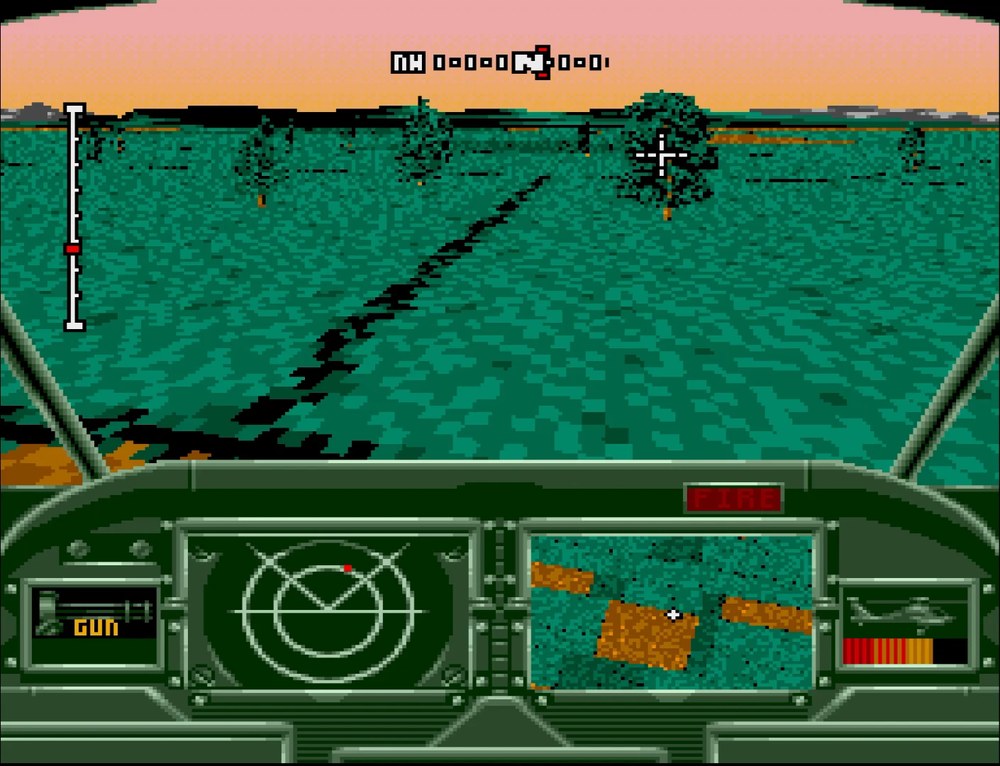
When developers used it, the results are impressive. Thunderhawk — Core Design again, and sold in America as AH-3 Thunderstrike — is a great example. I picked it up during the month, and the terrain scales and moves beneath your helicopter convincingly. It's not Microsoft Flight Simulator by any stretch, but there's a real sense of movement through a three-dimensional space that would have been far harder, if not impossible, on the base console.
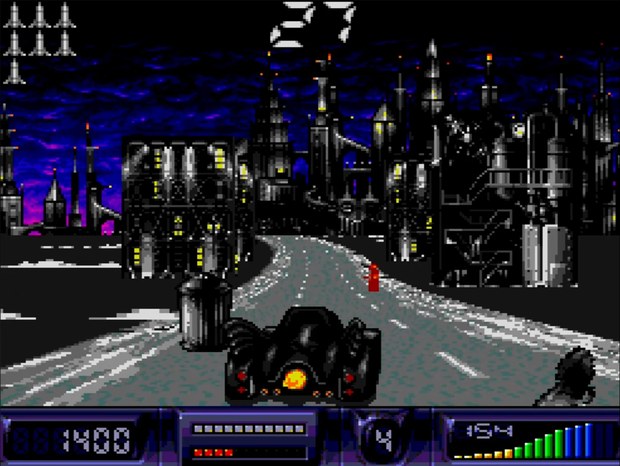
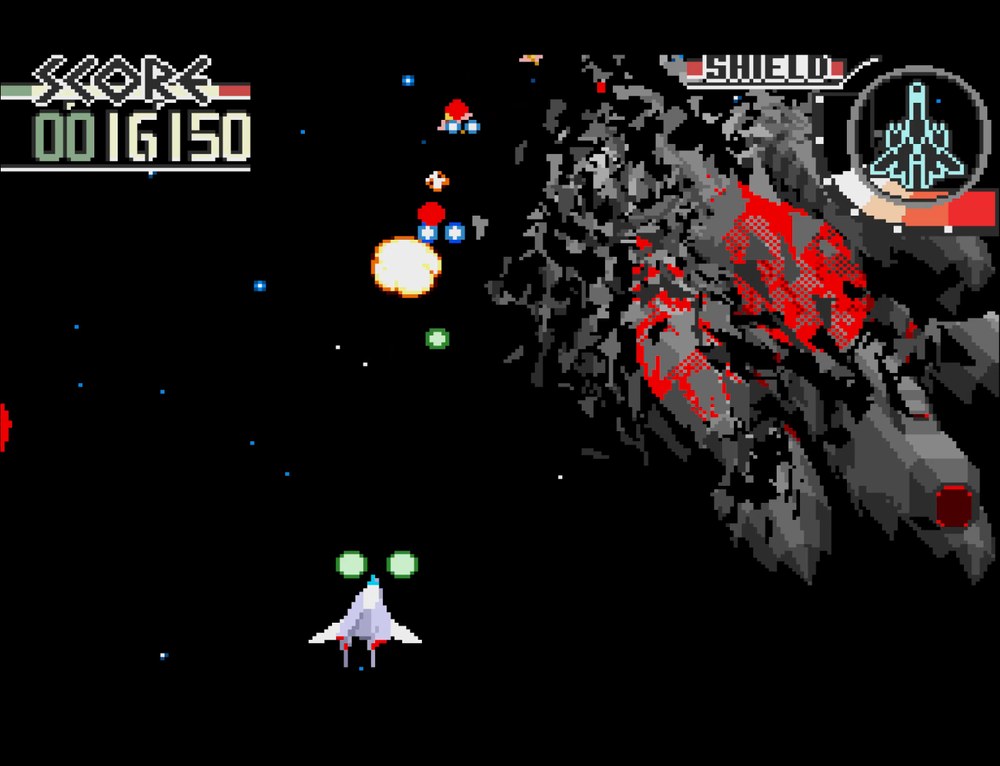
Batman Returns adds driving sections that throw the road at you using the same trick, and they were the part reviewers singled out at the time. And Soulstar might be the best of the lot: big sprites, scaling, rotation, fast-moving environments, loads happening at once. It's one of those games where every now and again you stop and go, hang on — this is still running on a Mega Drive.
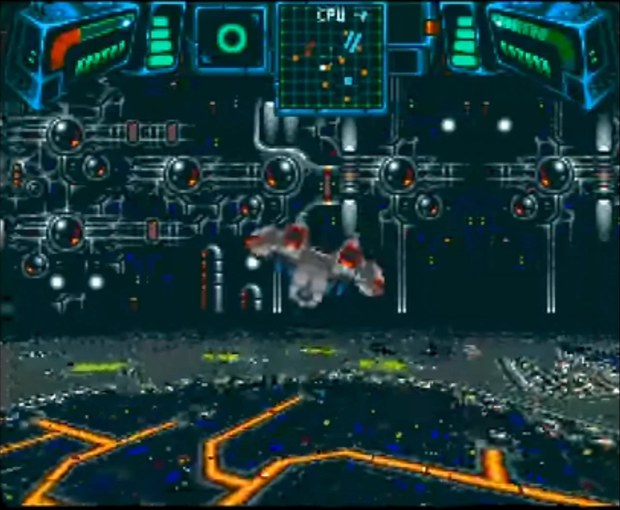
Silpheed belongs here too, though for a slightly different reason. Those spectacular 3D backgrounds are pre-rendered and streamed straight off the disc, with the interactive bits sitting over the top. The Mega CD isn't rendering enormous 3D worlds at all. It's bluffing — but it's bluffing beautifully.
The best Mega CD developers weren't asking "how powerful is this thing?" They were asking "how powerful can we make it look?"
This is what Sega should have leaned into. Instead, much of the early CD-ROM messaging seemed more interested in telling us we could finally watch a heavily compressed man answering a telephone.
Sound, and the unglamorous plumbing
Audio is where the CD advantage was immediately obvious: proper pre-recorded music, real instruments, actual speech rather than crunchy digitised samples, and far more of it than you'd squeeze onto a cartridge. There's also a Ricoh PCM chip in the unit giving developers eight channels of stereo sampled sound alongside the Mega Drive's existing hardware. Hearing a proper soundtrack come out of a 16-bit console was a genuine wow moment — I remember it vividly. Today we don't even think about it.
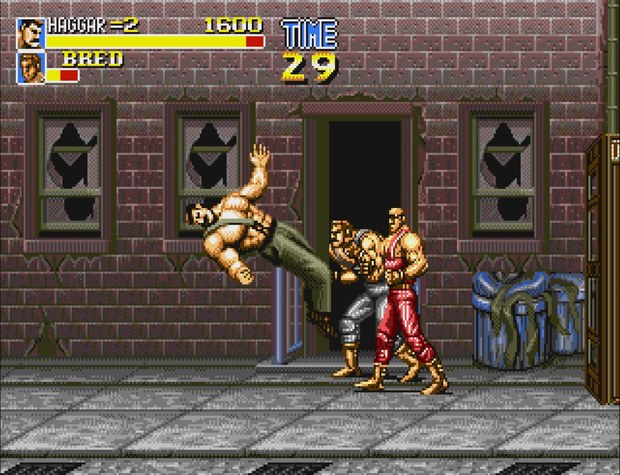
And sometimes the killer app for hundreds of megabytes of futuristic storage really was just "make the music flipping good", and I'm completely fine with that. Not every advance has to reinvent gaming. Final Fight CD is the case in point: an improvement on the previous console versions, some arcade content restored, and a soundtrack so good that it's the single thing everyone remembers about the game. No scaling, no rotation, no video. Just a beat 'em up with the missing bits put back and a disc's worth of music behind it — and it's the best home version of Final Fight there is.
So why didn't Sega say any of this?
That's the question I keep coming back to. Some of it is simply that "second 68000 and a scaling ASIC" doesn't fit on a poster, whereas a photograph of an actual human being on a television does. Some of it is that the hardware was genuinely awkward to use — two processors, one shared pot of memory, and a graphics chip that sat between the two. Developers who mastered it made Soulstar. Developers who didn't made another FMV game, because the disc did most of the work for you.
And some of it, I suspect, is that Sega had spent so long selling the disc that they'd talked themselves into believing the disc was the point. It wasn't. The disc is why we remember Sewer Shark. The rest of the box is why we remember Soulstar, Silpheed, Thunderhawk and Batman's Batmobile.
None of which makes the Mega CD good value in 1993. £270 was still an absurd amount of money for something that wasn't even a console on its own, and I stand by everything I said about that a fortnight ago. But "a CD drive bolted onto a Mega Drive" was never a fair description, and I'd been repeating it for three weeks. Consider it corrected.
That's very nearly it for the Mega CD. Next week I'll wrap the month up and answer the question I always end on: does it still deserve a place in 2026?