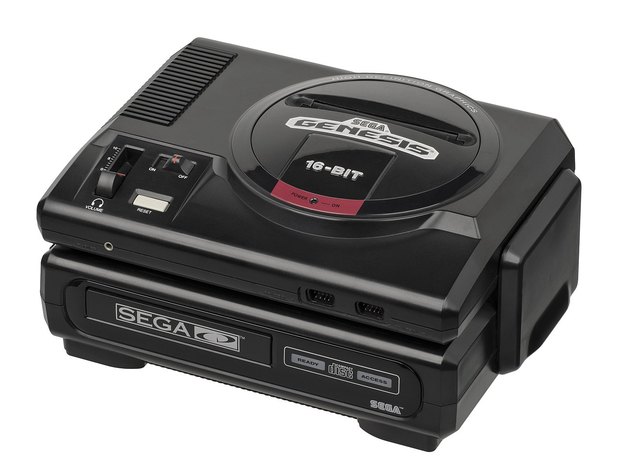
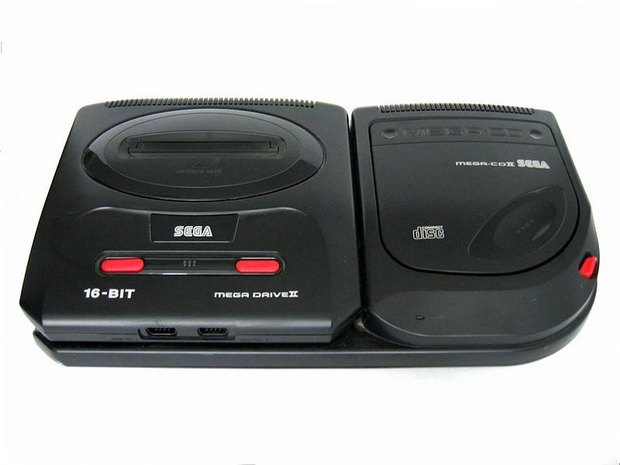
I'm spending this month living with the Mega CD — the Sega CD, to our North American friends — and before I start playing anything I wanted to get my thinking straight about what the thing actually was. Here's where I've landed: the basic idea behind it was absolutely sound. Cartridges really were becoming restrictive. CDs really were the future. Games really were about to get bigger, more cinematic and far more ambitious. Sega just tried to graft all of that onto a machine designed in the late 1980s, charged a fortune for the privilege, and then let half the industry fill the extra space with badly compressed video.
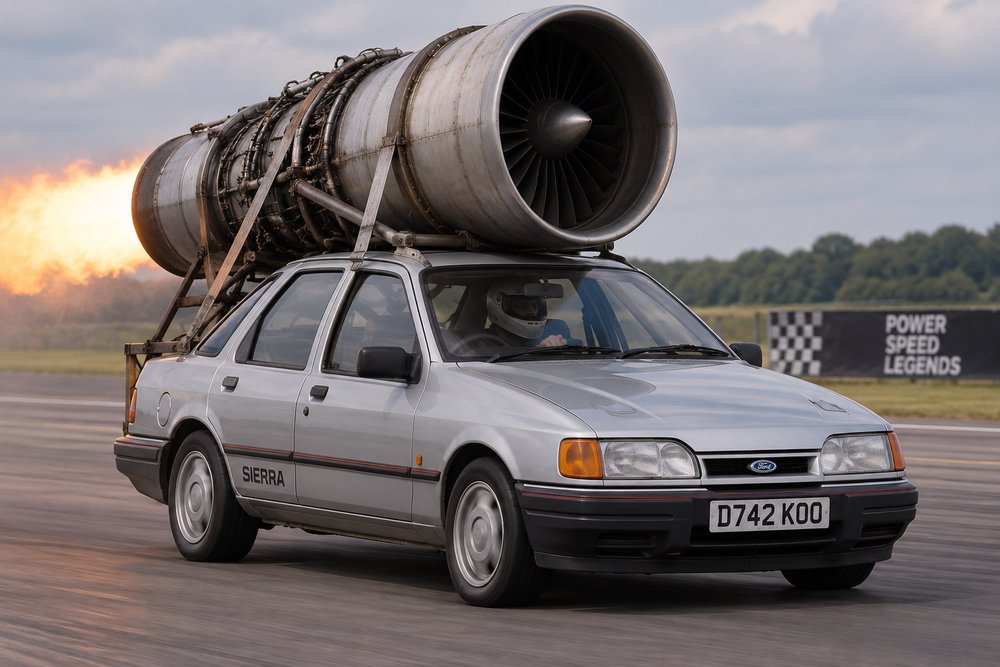
It's a bit like fitting a jet engine to a Ford Sierra and then wondering why it's still got wind-up windows.
You had to be there for how exciting CDs were
It's genuinely hard now to convey the hype. My dad picked up a CD hi-fi in 1990 and I remember hearing that first audio CD — the clarity, skipping tracks, shuffle, repeat. That was something you told people about in the playground. So the idea of that same shiny silver disc turning up in games was, to us, a revolution in waiting.
The numbers backed it up. A typical Mega Drive cartridge might hold a few megabytes. A CD-ROM could hold hundreds. In 1991 that's an insane gap — and discs were cheaper to manufacture than carts, so publishers could see the upside instantly. More storage, lower costs, CD-quality audio, digitised speech, animation, video, bigger games.
Sega weren't alone in spotting this, either. NEC had already added CD-ROM to the PC Engine. Philips launched the CD-i. The 3DO followed. Atari were talking about a CD add-on for the Jaguar — I just wish they'd given the controller the same amount of thought. And Nintendo famously explored a CD system with Sony, a relationship that went so spectacularly wrong it helped hand us the PlayStation a few years later. The whole industry could see where things were heading. The future was circular, shiny and silver.
There was just one small problem: nobody seemed entirely sure what the hell to do with all that extra space.
So they filled it with video
The Mega CD wasn't just a CD drive bolted on. There was another Motorola 68000 inside, more memory, dedicated hardware capable of scaling and rotation. That's a significant upgrade. But it still leaned on the Mega Drive for much of its graphics work — so the amount of content a game could hold exploded, while the machine's ability to actually display it hadn't moved anything like as far. Developers suddenly had hundreds of megabytes to play with and hardware that thought 64 colours on screen was showing off.
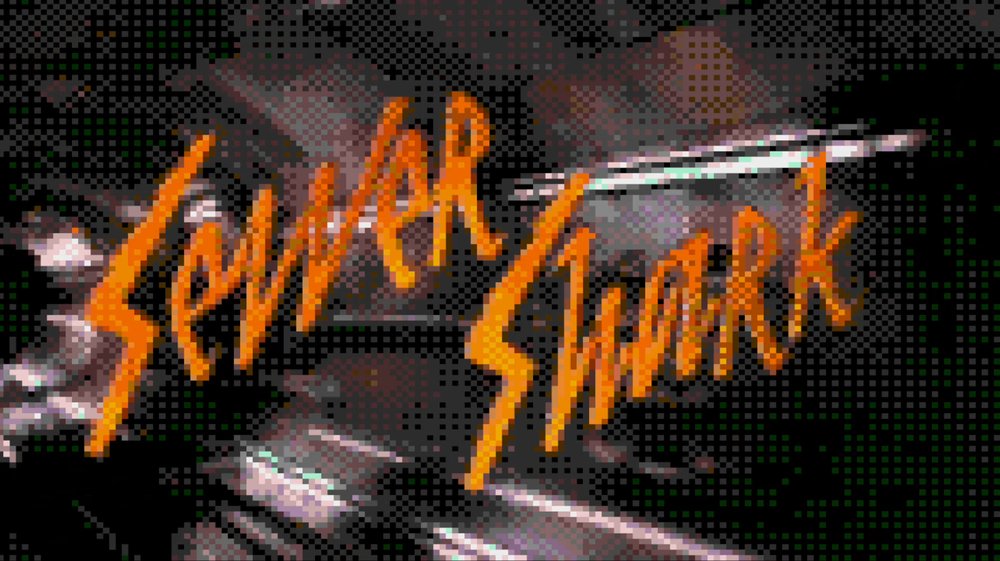
Add in a drive that transferred data fairly slowly and you get the FMV era in a nutshell: tiny, heavily compressed and grainy. Sometimes working out what you were looking at felt like part of the game. And worse still, eventually the video stopped and you had to play the blooming thing.
I understand why it happened. I'd come from an era where you were lucky to get more than four colours and ten-minute loading times, and digitised speech sounded like a Speak & Spell having a nervous breakdown. Real actors in a magazine screenshot looked like the future. But the technology had become the selling point rather than the gameplay, and that was always going to be a problem. Philips leaned on multimedia, 3DO on very expensive multimedia, and Atari seemed to think the answer was shouting "64-bit" loudly enough that nobody asked awkward questions.
The price, and the vicious circle
The Mega CD launched in the UK in 1993 at around £270 — roughly £600 to £650 in today's money. And it wasn't even a console. You still needed a Mega Drive underneath it. Better audio? Yes. More storage? Absolutely. Some genuinely excellent games? Yes — with the operative word being some. But did the average Mega Drive game become dramatically better for being on a disc? Almost certainly not.

That's the curse of the add-on, and the numbers are brutal: the Mega CD sold about 2.24 million units against roughly 30 million Mega Drives. A Mega CD game could only be sold to that sliver of owners who'd also bought an expensive extra box. Smaller audience means less incentive for publishers; less software means less incentive for players to buy the hardware. Congratulations, you've built a vicious circle even Sonic couldn't find his way out of. And then, for reasons unbeknownst to anybody, Sega decided this was still the way to go and gave us the 32X — the Franken Drive, if you like. Different story, another day.
Sega were right — Sony just got there properly
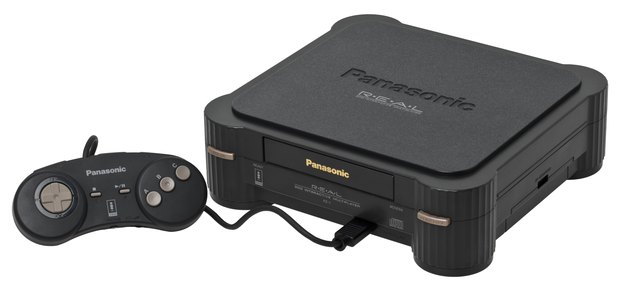
None of these machines became the future. The CD-i was hugely expensive and never a mainstream games platform. The 3DO arrived with extraordinary technology and an extraordinary $699 US price to match. The Jaguar struggled despite being cheaper, and its CD attachment turned up late.
But the industry's obsession with CD-ROM wasn't wrong. Sony sat at the back of the class copying everyone's homework — and correcting it — and in 1994 the PlayStation arrived in Japan with CD-ROM, 3D graphics, high-quality audio, video sequences and cheap discs for publishers. Everything the industry had been promising, built into a new machine designed around it, rather than bolted onto your existing one with its own plug socket and what looked like a small branch of Dixons under the telly. CD-ROM stopped feeling like a gimmick and started feeling normal.
Within a few years we'd gone from being amazed by a postage-stamp video of an actual human being to complaining that Final Fantasy VII's cutscenes weren't skippable. That's the Mega CD's real legacy: CD won. Bigger games won. CD-quality music, voice acting, cinematic presentation — all of it won.
So no, I don't think it was an expensive solution to a problem nobody had. I think it was the right idea at the wrong time — a recurring Sega problem through the 1990s, culminating in their exit from console manufacturing in 2001 with the Dreamcast.
What I'm actually going to play
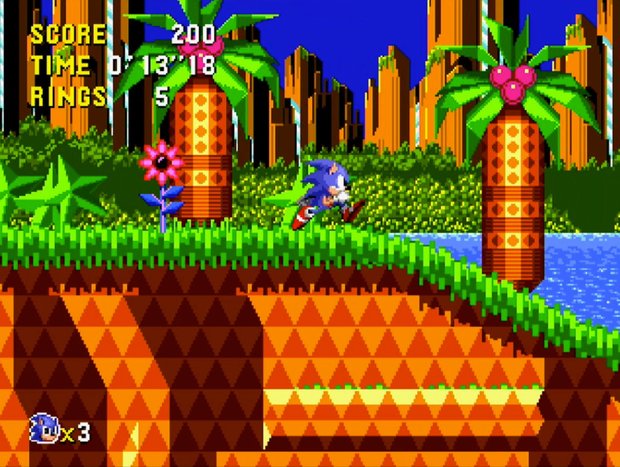
That's what I want to test this month, because behind the Night Traps and the Sewer Sharks and enough FMV to make a 90s games journalist spontaneously combust, there are genuinely brilliant games on this thing — Sonic CD, Final Fight CD, Lunar, Snatcher. The trouble is tracking them down. I'll be honest: I don't own many Mega CD games, and I'm slightly worried the ones I do own are going to be a bit rubbish. Maybe that'll become the theme. On the shelf I've got Jaguar XJ220, Thunderhawk, Road Avenger and Sol-Feace — that last one being the one I couldn't identify until I found the box. I'll play the lot over the month and report back.
If you owned one, I'd love to know what your favourites were — this machine is genuinely new territory for me.