I've spent a month living with the Mega CD, and I'll give you the conclusion first, because it's a slightly awkward one: this is a far more interesting, far cleverer machine than I ever gave it credit for, and I still wouldn't tell you to go out and buy one in 2026.
I was guilty of being that person. I thought the Mega CD was a CD drive bolted onto the side of a Mega Drive, streaming grainy interactive movies to your telly, and that was it. I was wrong about that, and finding out why has been the best part of the whole month.
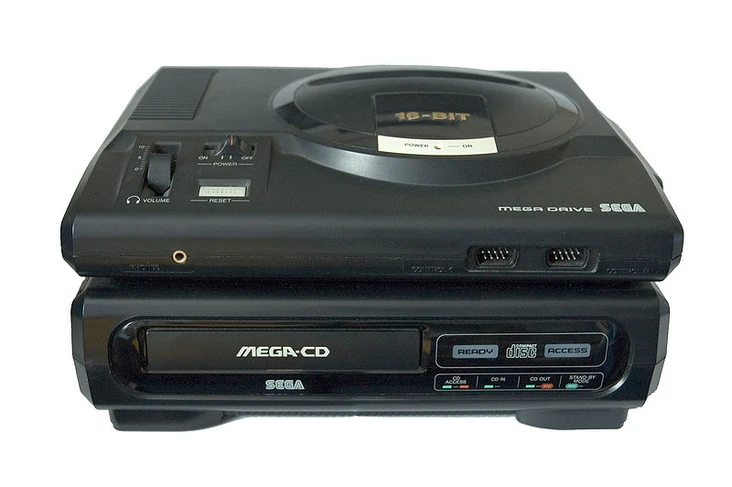
There's a lot more in there than a CD drive
Yes, first and foremost you get the CD-ROM drive, which was in the name — vastly more storage, CD-quality music, digitised speech and, of course, full motion video. But Sega didn't stop there.
The add-on also brought a second Motorola 68000, running at 12.5MHz, which is quite a bit quicker than the one in the Mega Drive. There's additional memory, dedicated hardware for scaling and rotation effects, and eight channels of PCM audio. I described it last week as strapping a jet engine to a Ford Sierra, and I stand by that — though I did apologise to the humble 1980s jelly mould at the time.
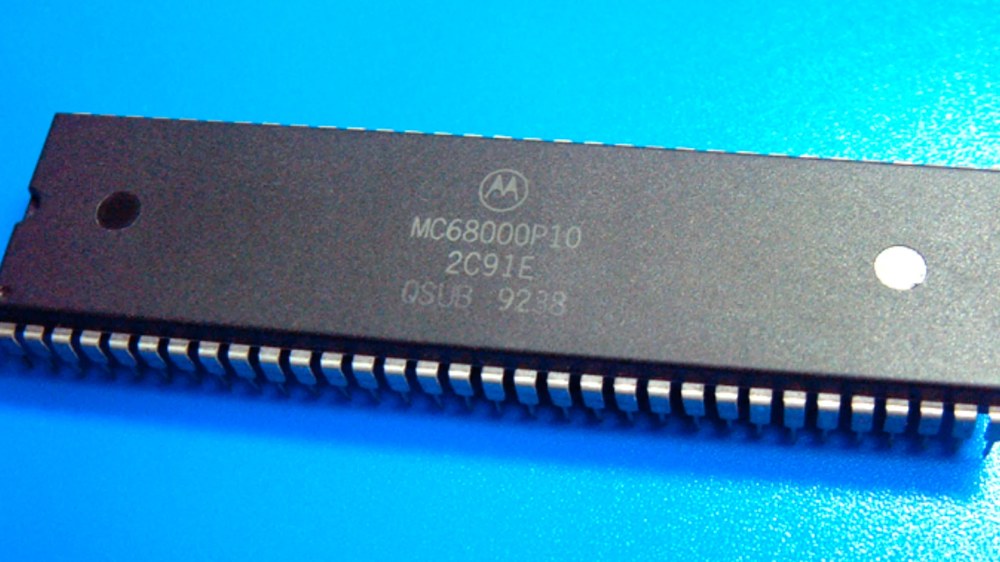
It wasn't simply a Mega Drive with a CD player attached. It was a genuinely ambitious hardware expansion trying to squeeze another generation of gaming out of an existing console.
The catch is architectural. The Mega CD was never an independent console. It still leaned on the Mega Drive's original graphics hardware to put the final picture on your screen, so the two machines had to work together, shuffling data between processors and managing shared memory. All that extra horsepower was still trapped behind the Mega Drive's 64-colour palette and its very limited display capabilities. And the drive was single speed, so getting data off the disc was far slower than pulling it out of a cartridge — developers had to carefully manage loading, memory and transfers between the two units.
So Sega handed developers a lot more power, and a considerably more complicated platform to build on.
The price, the FMV and the Sega of it all
It cost an absolute fortune. £270 in Britain, at a point when the Mega Drive was still producing fantastic games all by itself. Early software support was thin, and Sega struggled to demonstrate why anyone needed this expensive new box at all.
Which brings us, inevitably, to full motion video. The industry was obsessed, convinced the future meant swapping beautiful animated sprites for grainy footage of actors who looked like extras from a questionable episode of The Bill. The Mega CD became the poster child for that revolution, and the technology genuinely was impressive — but many of those games offered precious little actual gameplay.
Then Sega made it worse. The 32X arrived in 1994, because obviously the answer to one expensive Mega Drive expansion is a second one, and the Saturn turned up the same year. Suddenly there were three platforms competing for your attention alongside the ageing Mega Drive itself. The result was confused consumers, fragmented development and a growing sense that Sega's hardware might not be around much longer. The Mega CD sold a respectable 2.24 million units worldwide — respectable in isolation, but a fraction of the Mega Drive's install base — and by 1996 it was done.
The knock-on effects went well beyond this machine. The Saturn struggled in the West, and by the time the poor old Dreamcast arrived, Sega was fighting to rebuild confidence it had already spent. That's the sad part, because the Mega CD itself wasn't really the problem. Its reputation has become unfairly tangled up with Sega's wider commercial mistakes.
The games make the console — both ways
I always say the games make the console. This month, some of them made it in the wrong direction.
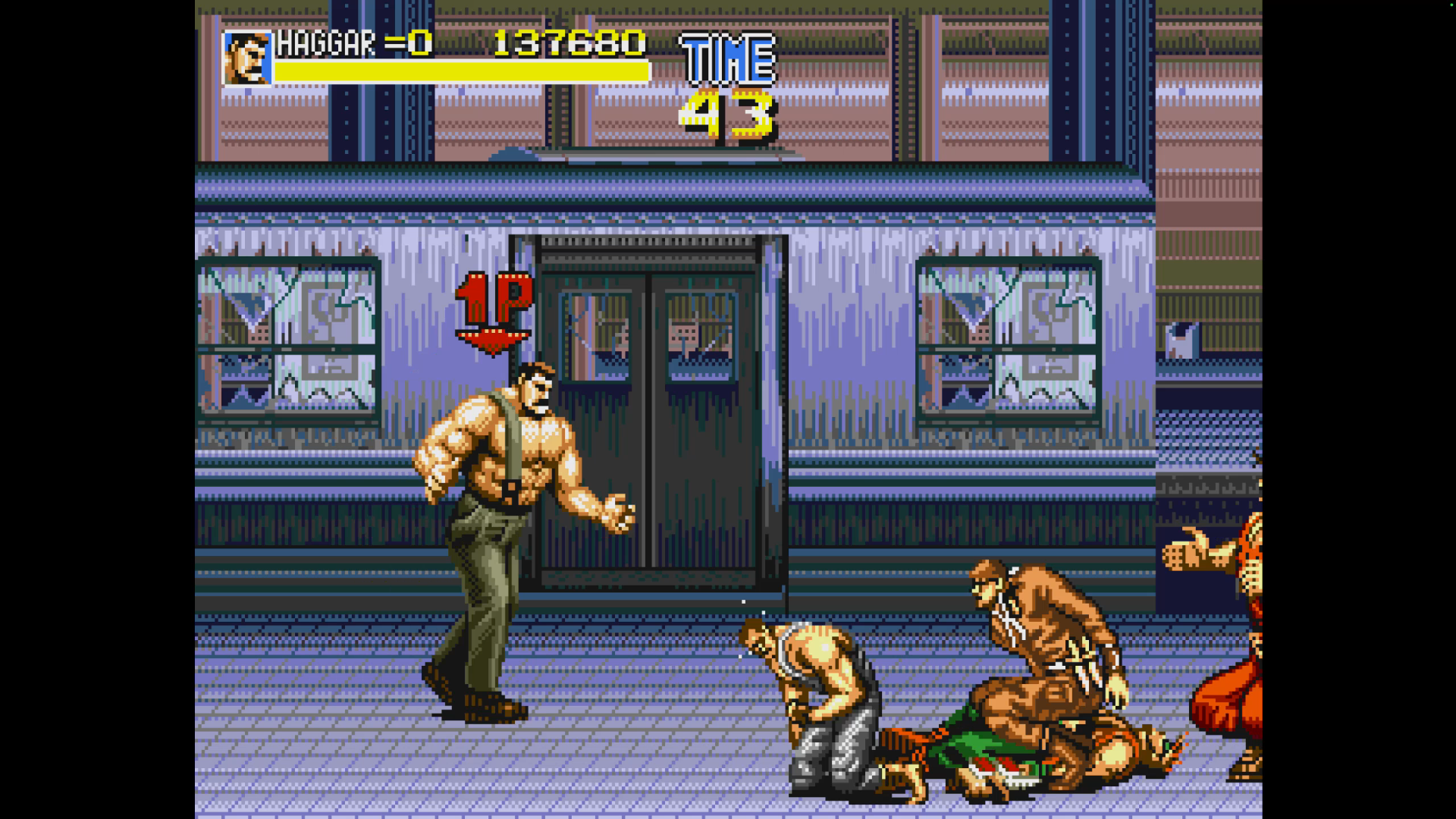
Final Fight CD is the standout. Not arcade perfect, but about as close as it gets — all three characters, the industrial area that went missing elsewhere, and a fabulous CD soundtrack. Addictive, full of late-80s and early-90s vibes, and the limited palette never really bites.
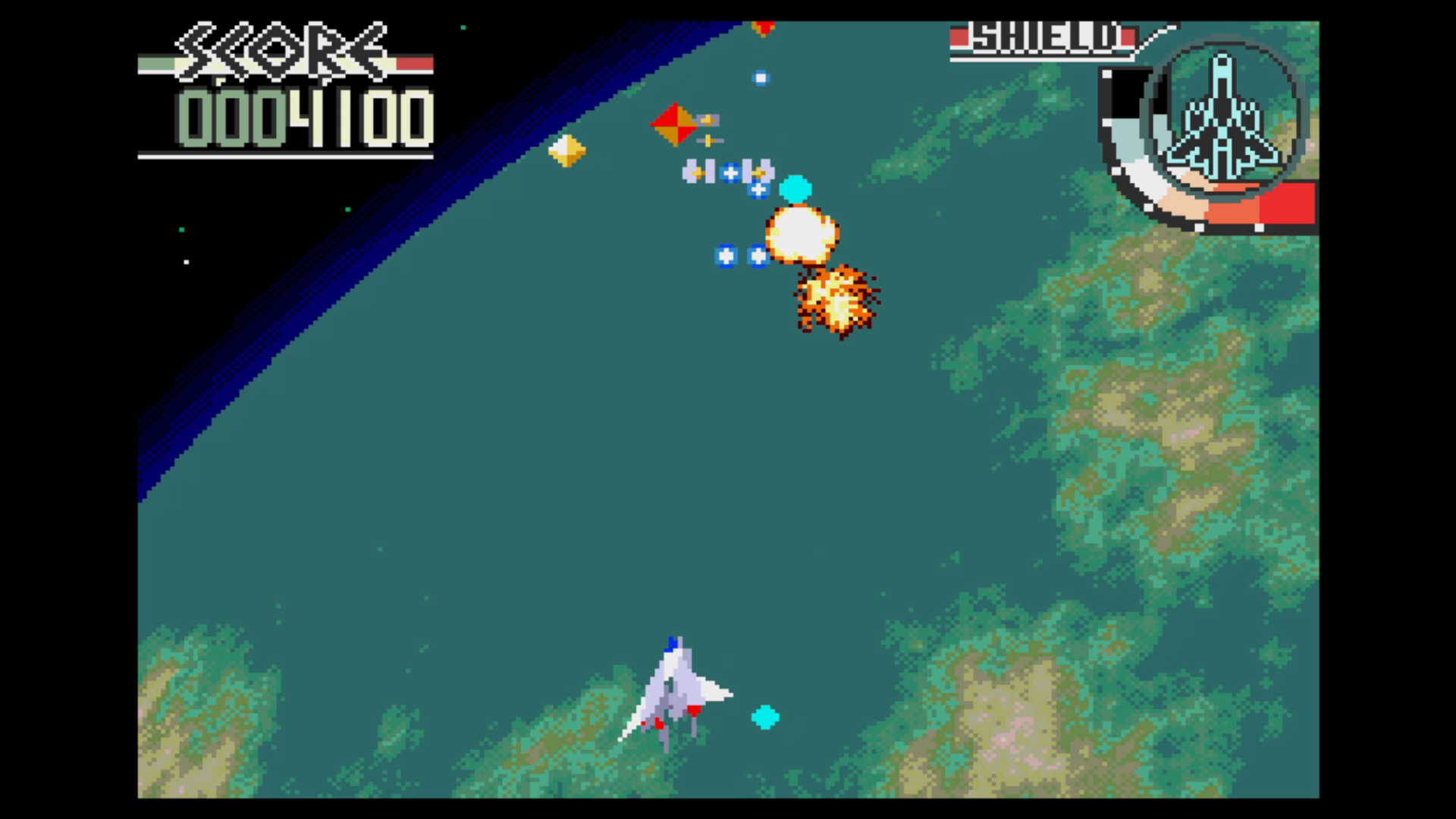
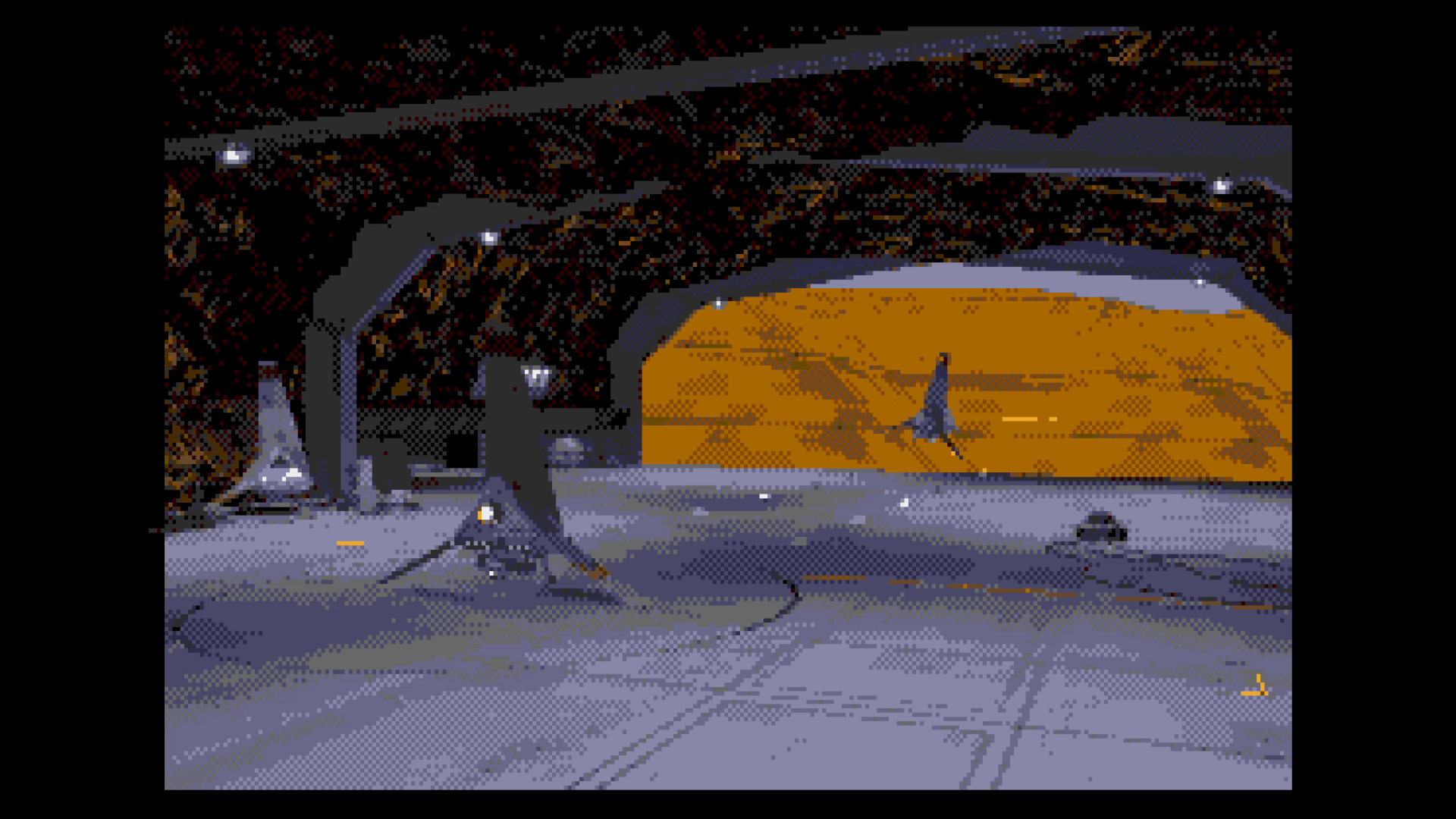
Silpheed is pretty unremarkable as a shoot 'em up, but it's very clever indeed: pre-rendered 3D streaming underneath you as you fly, perfectly in keeping with the action so you never clock that it's video. Brilliant explosions, cinematic boss moments, and a genuinely smart use of all that storage rather than just dumping compressed footage on a disc.
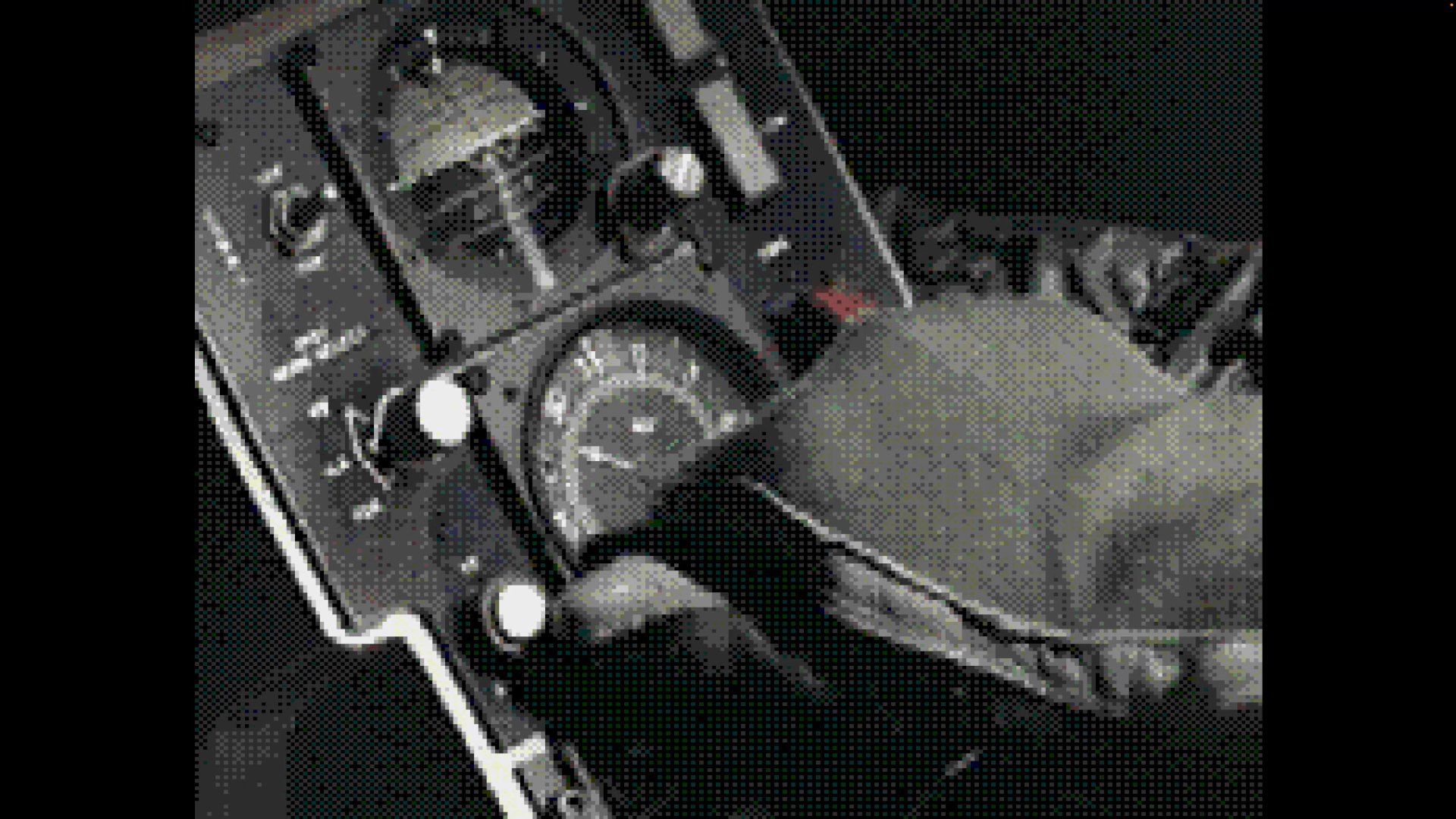
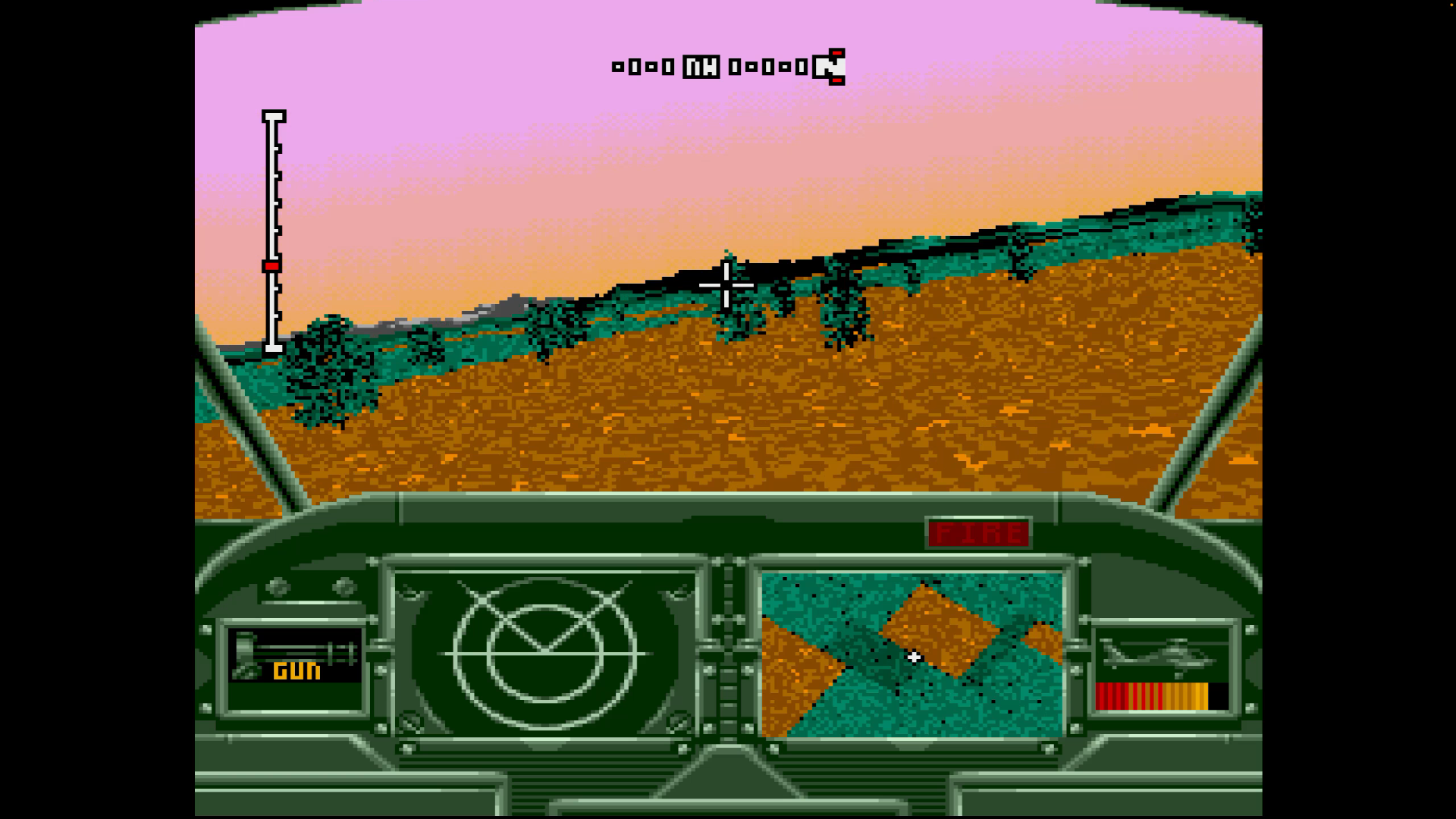
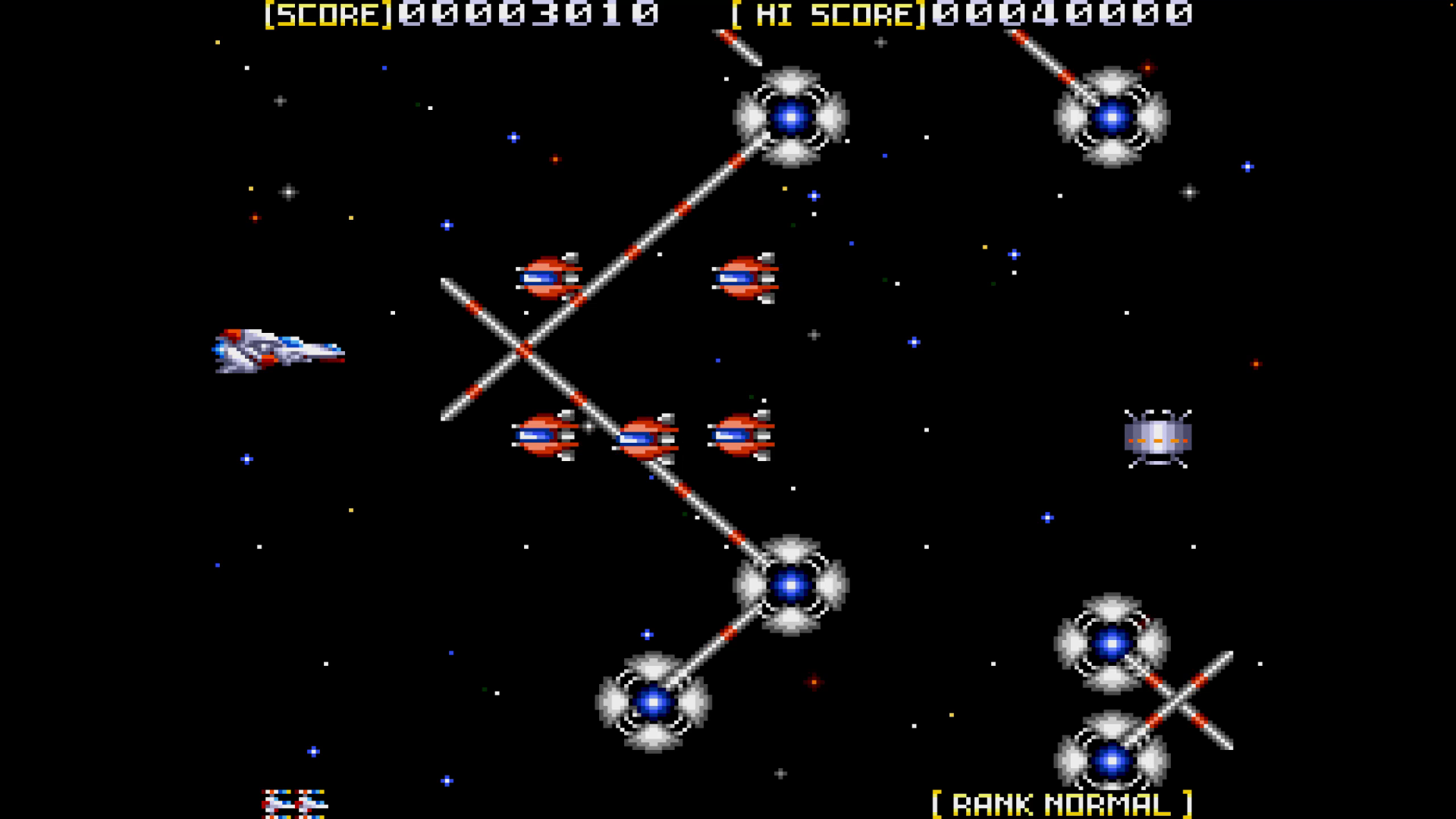
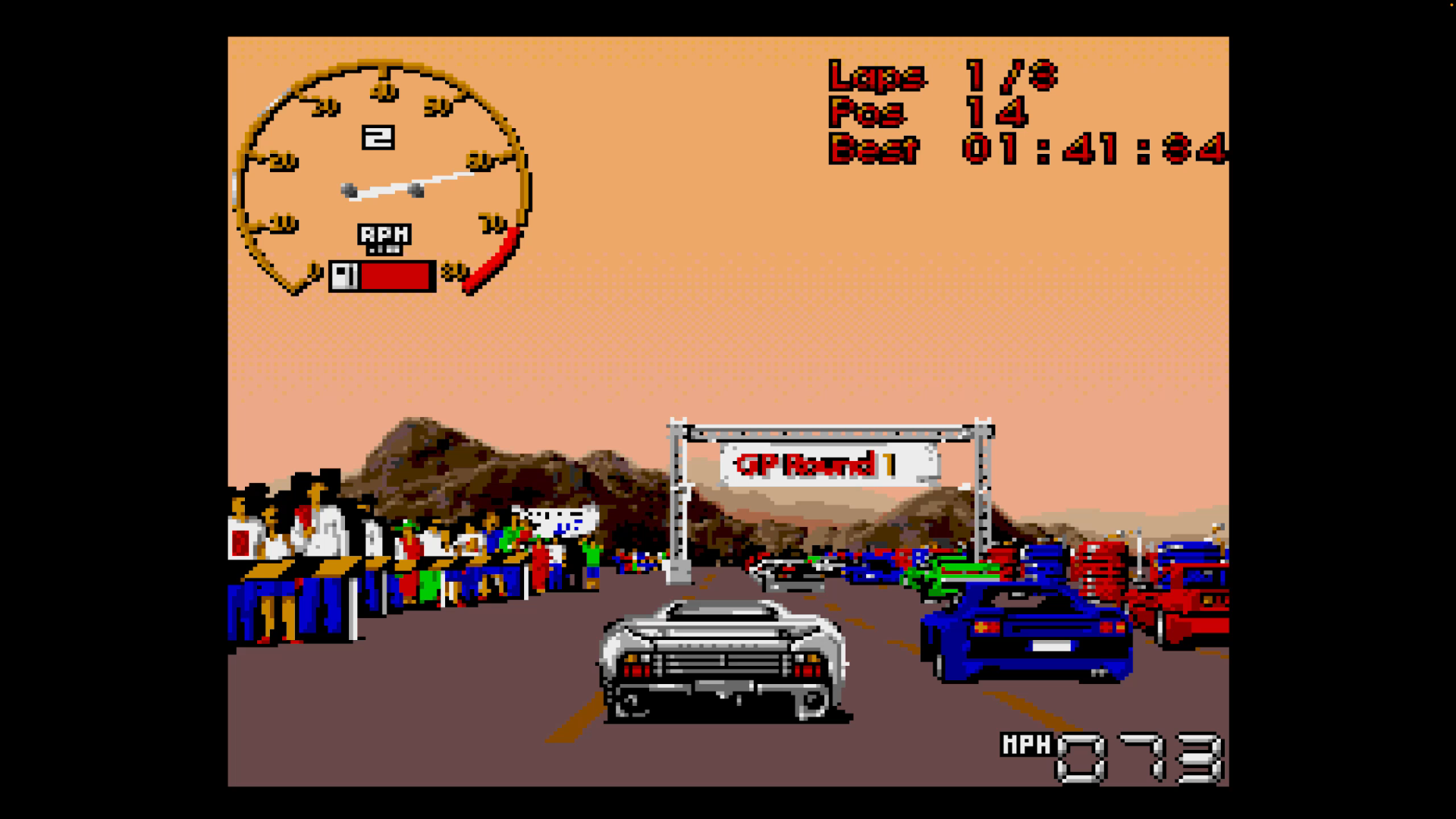
Thunderhawk is good fun and a proper showpiece for the scaling and rotation effects — cockpit view, flying about blowing up missile launchers and bases. Sol-Feace is very R-Type and does nothing especially clever, but it's a good-looking game with a great soundtrack and it's brutally hard; I was going to cover it properly and then realised I was rubbish at it. It's cheap and easy to find, too. Jaguar XJ220 has real Lotus Turbo Challenge energy, a music selection screen like OutRun, and it's probably the cheapest way to get yourself an XJ220.
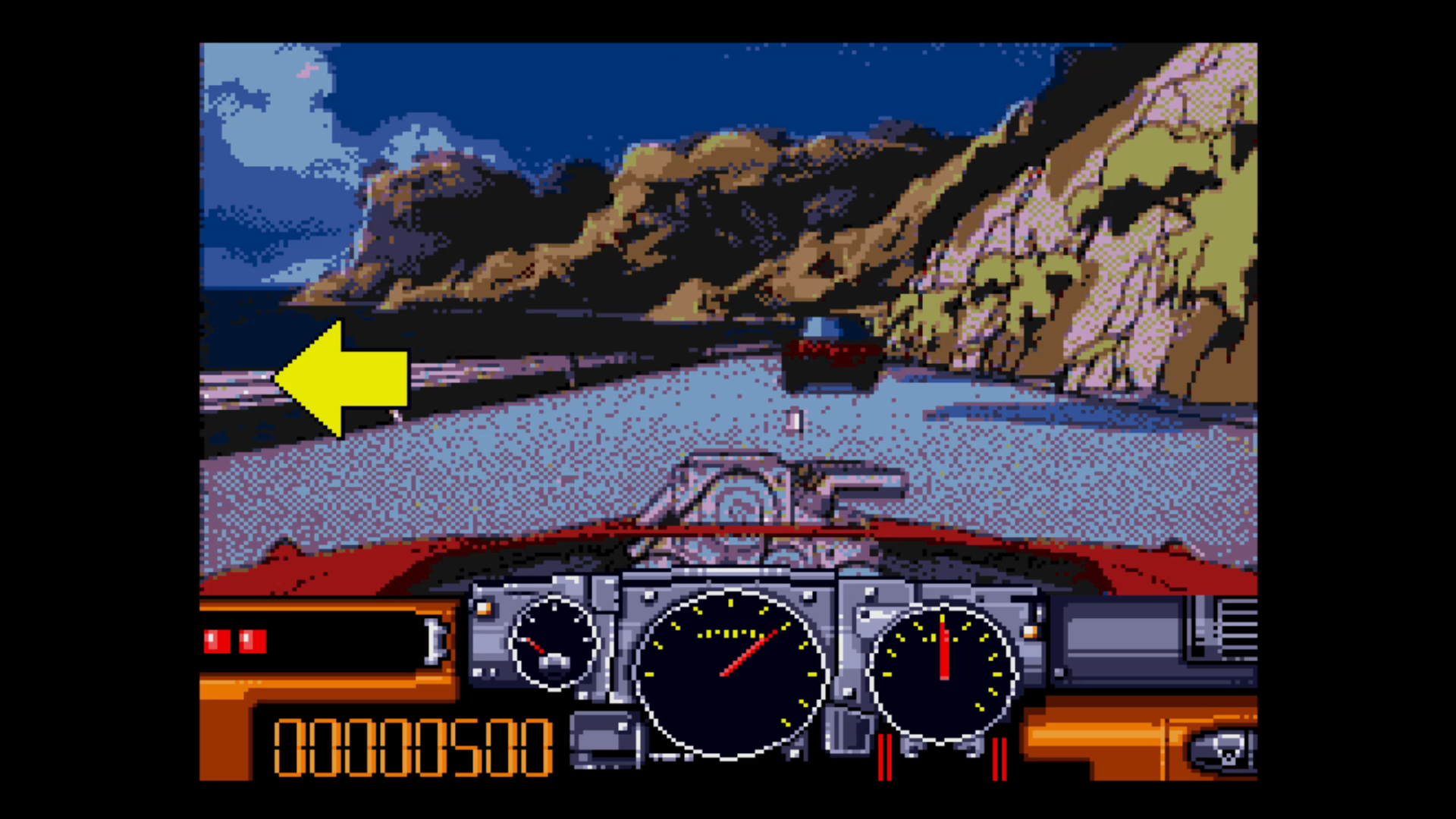
Then the other side. Road Avenger is an interactive movie — prompts appear, you hit the button in time, you either crash or you don't. It's pure muscle memory and it gets boring quickly. Tomcat Alley is a badly acted interactive Top Gun, heavily compressed and very cheesy; I didn't enjoy it and I didn't play it long. Sewer Shark is corny but okay. Star Wars: Rebel Assault I just couldn't get on with — I kept crashing on the training mission, it didn't look great, and I gave up.
Getting into it in 2026
There are three options and they're all compromised.
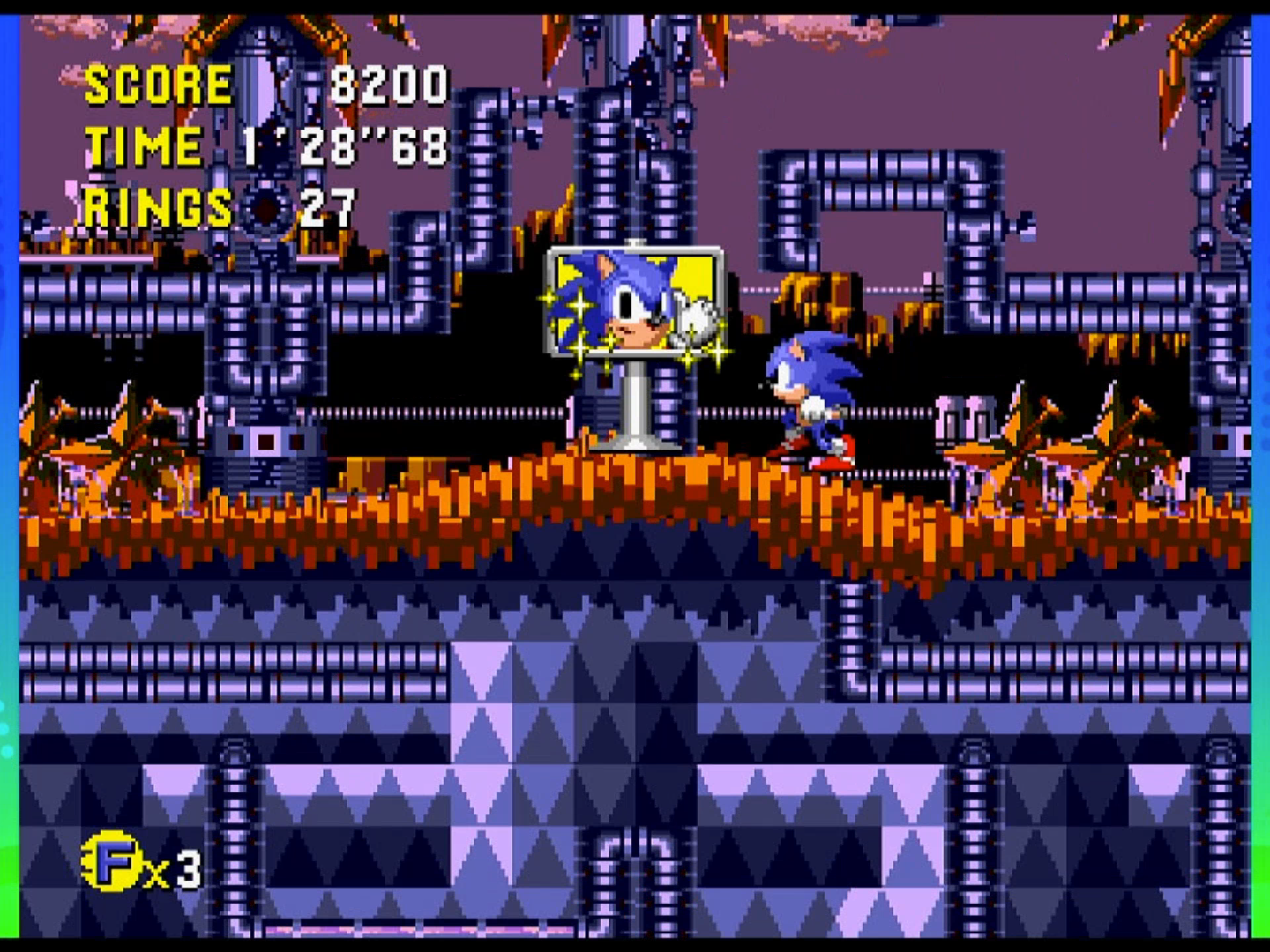
- Find the games elsewhere. Sonic CD is the best example: a good Mega CD copy is about £90, but the remastered version in Sonic Origins is on Switch, PS4 and I believe Xbox, and it's fantastic — a great Sonic game in its own right. Final Fight turns up all over the place.
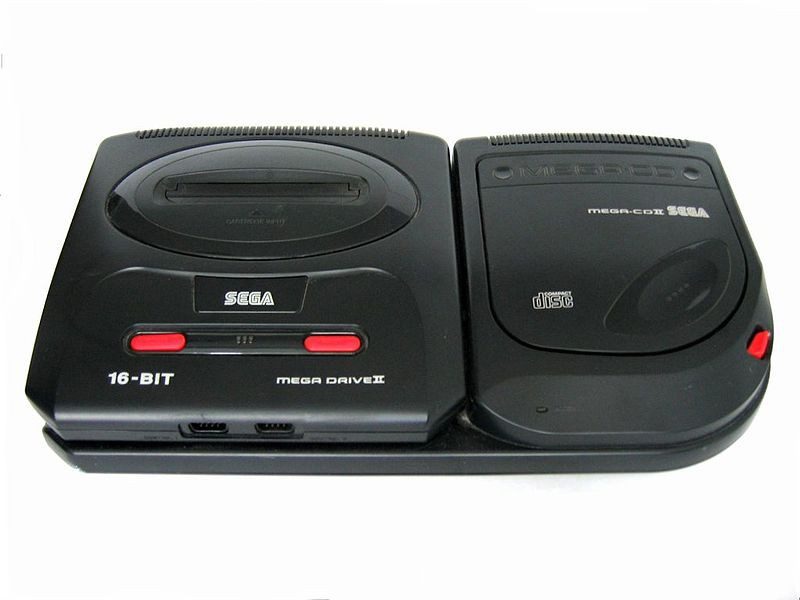
- Buy the hardware. I paid £200 a couple of years ago for a Mega CD 2 with a Mega Drive 2, leads and a controller, and that's still roughly the going rate. The original Mega CD is prettier and far more desirable, and can be £300 to £400 for the unit alone. If you just want to play the games, get the Mega CD 2 — I'm told it's more reliable and less temperamental. Either way, check the caps and the drive have been seen to.
- Emulate. OpenEmu on the Mac, LaunchBox on PC. I found it properly hit and miss: Sol-Feace, Final Fight and Jaguar XJ220 were fine, Tomcat Alley and Thunderhawk were okay, Road Avenger and Sonic CD were not. I ended up capturing Sonic CD off a Switch instead.
There's no backwards compatibility to fall back on either. A bit of Mega CD support on the Saturn would have been lovely. Alas.
So, would I recommend it?
No. And that's a pretty emphatic no.
The hardware is expensive, it's old, emulation isn't reliable, and there simply aren't enough good games to carry it. There are some great ones — but a handful of greats doesn't justify what this machine still costs, and some of the best are priced beyond all reason. Snatcher at around £700 is absurd for a game. Unless you've got deep pockets or a real fondness for the thing, go and find the good stuff on other platforms.
And yet I'm so glad I did this month. Sega were always daring, always willing to push boundaries, and the Mega CD is a real example of that — an ambitious attempt to bridge two generations that occasionally got things spectacularly wrong but also showed exactly where the industry was heading. It didn't invent cinematic presentation, CD soundtracks or bigger, more ambitious storytelling, but it was part of that transition. It's just a shame it was Sega who had to pay for it.
Mine's probably going to gather a bit of dust now, which is sad. Clever ideas, poorly implemented, and the developer support was never there.
Next month
October's console is one I genuinely can't believe qualifies as retro: the PlayStation 3, which turns 20 this year. I bought mine on launch day without pre-ordering — I walked into my local game shop that morning and there was stock on the shelf, which tells you something about one of the oddest launches I can remember. It took me a while to come round to it, but I grew to love that machine.