I'll put my card on the table straight away: I was hovering around a four, because it has aged, and I'll come back to that. But the more I thought about what this little monochrome RPG actually did — and what almost nothing has changed about it since — the harder it was to mark it down. It's deserving of an almost perfect score.
What strikes me most, coming back to it, is how unassuming the whole thing was. Gaming at the time was charging towards the PlayStation and the Nintendo 64 and spectacular new 3D worlds, and here's Pokémon: a little monochrome RPG running on hardware that was already getting on a bit. And somehow it became absolutely enormous.
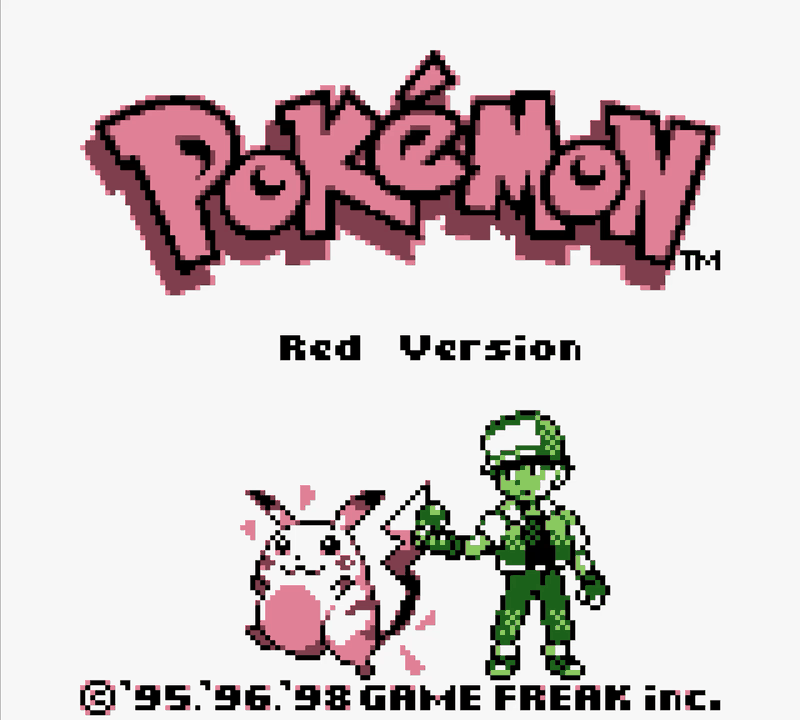
The clever bit was never the graphics
Here in Europe we got Pokémon Red and Blue in 1999, but the story starts earlier than that in Japan, with Red and Green in February 1996. Blue followed in Japan as an improved version, and it was that updated code that formed the basis of the Red and Blue we eventually received in the West. Between them, Red, Green and Blue sold somewhere around 31 million copies worldwide — second only to Tetris on the Game Boy, and Tetris had the considerable advantage of being given away in the box. Put another way: Pokémon is the best-selling Game Boy game that people actually went out and bought.
Underneath the hype there's a genuinely clever little RPG. Traditional RPGs of that era — your Final Fantasys — handed you a predefined party. Pokémon effectively offered you 150 potential party members and turned every encounter into a decision: fight it, catch it, train it, evolve it, or trade it. The type-based battle system is simple enough to understand immediately, but there's plenty of depth sitting underneath it.

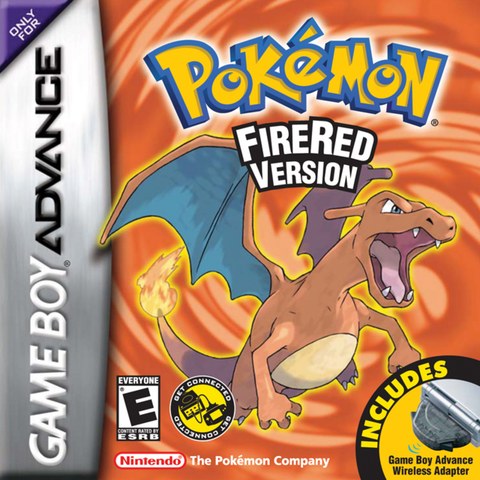
If you want that proper dive into the mechanics, my son has already done it in my Pokémon FireRed review on the Game Boy Advance — he knows everything there is to know about Pokémon, so I usually draft him in.
It couldn't have been anything but a Game Boy game
Pokémon didn't just happen to land on the Game Boy. The hardware was fundamental to the concept. Satoshi Tajiri had been an obsessive insect collector as a child — his classmates called him "Mr Bug" — and when he saw two Game Boys joined by a link cable, he recognised the same thing he'd done as a boy: catching creatures, showing them off, swapping them with friends. That one idea took what was traditionally a pretty solitary genre and made it sociable.
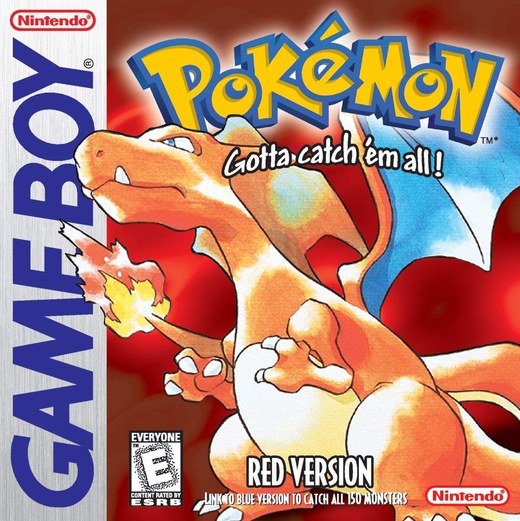
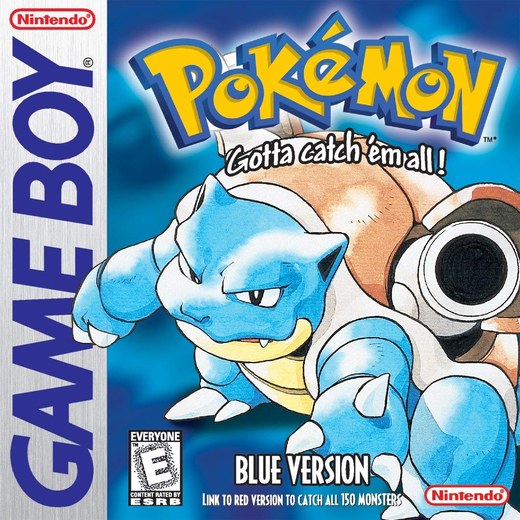
The version exclusives are part of that, not a nuisance. You can't catch every Pokémon in a single game, so you needed someone with the other cartridge to complete your Pokédex. Some Pokémon only evolve through trading. Then you could take the team you'd spent hours building and battle your mates with it. Suddenly Game Boys were being linked together in bedrooms and playgrounds everywhere, and there wasn't really anything else that was as social as Pokémon back then.
Nearly everything that would make Pokémon one of the biggest entertainment franchises on the planet was already here.
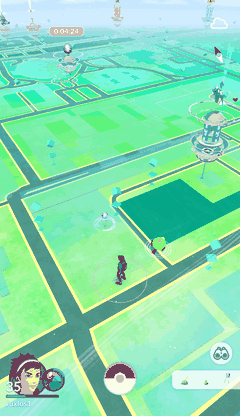
You can see how durable those ideas are in Pokémon Go. It launched in 2016, became a genuine worldwide phenomenon, passed a billion downloads by 2019, and a decade on, millions of people are still playing it. Strip it back and what are they doing? Catching Pokémon, building a collection, battling, and — once trading finally arrived in 2018 — swapping with other players. The technology has changed completely; the premise hasn't moved.
Where it shows its age
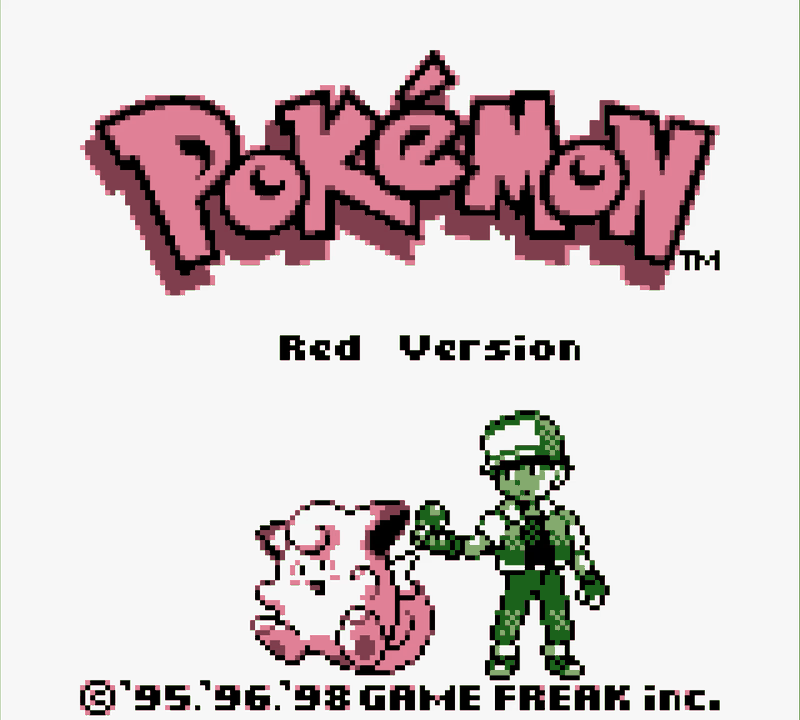
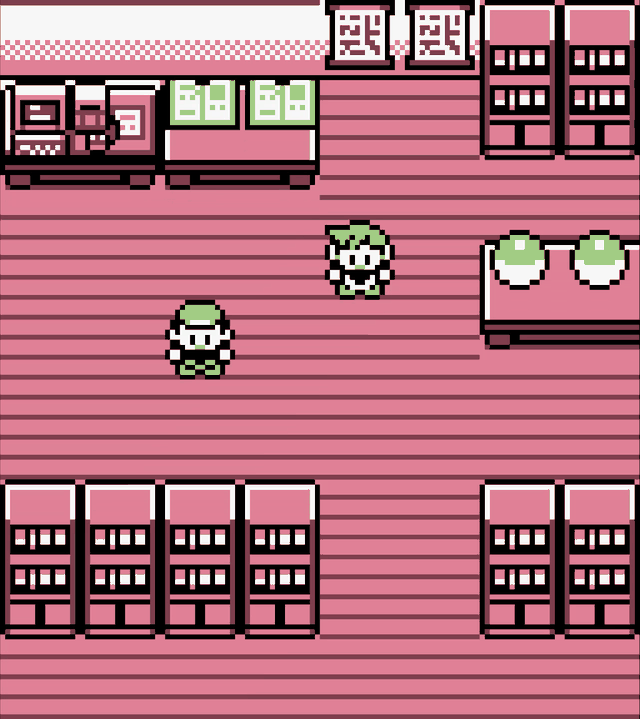
The graphics are basic, the interface can be clunky, and there are some pretty weird bugs. But perhaps the greatest achievement here is how much of the formula Nintendo didn't need to change. Catch Pokémon, build your team, beat the gym leaders, fill your Pokédex, trade with your friends, hope to become champion. It's all in place from the start.
I should confess something: I never really played Pokémon back in the day. When Red and Blue arrived here I was at university, nearly graduated and about to start work, I didn't own a Game Boy, and honestly it felt like a bit of a kids' game to me. I came to it through Pokémon Go, which I played a lot, and then through my son getting into it. So I've never linked up two Game Boys and traded a Pokémon, and that's genuinely a gap — knowing from more recent games how enjoyable that social element is makes me want to be a little more generous, not less.
The other reservation is a practical one. Like Zelda, this is a difficult game to cover on The BIT Between: lots of walking around, lots of quiet concentration, not the most thrilling thing to watch someone else play. As a player, though, it's loads of fun and very addictive — I carried on well past the point where I'd got what I needed for the video. The soundtrack is fantastic, and there's something about having an entire world in your hands to explore that still feels really cool.
Partly because it genuinely is a great game, and partly because scoring these things means putting your own late arrival aside and thinking about the impact it had at the time. It has stood the test of time better than almost anything else, and beneath all the cartoons, the cards, the films, the toys, the mobile games and nearly 30 years of hype, there's still this brilliant little Game Boy RPG at the centre of it all.