Sonic CD is brilliant, and that wasn't a difficult call to make. It's a 2D 16-bit Sonic game and it's fast, absurdly colourful, with a wonderful soundtrack and every bit of the blueprint intact — rings, speed, sideways scrolling, loop-de-loops. The only thing holding it back is the mechanic everybody remembers it for. That time travel business still confuses me, and I've been playing it a lot lately.
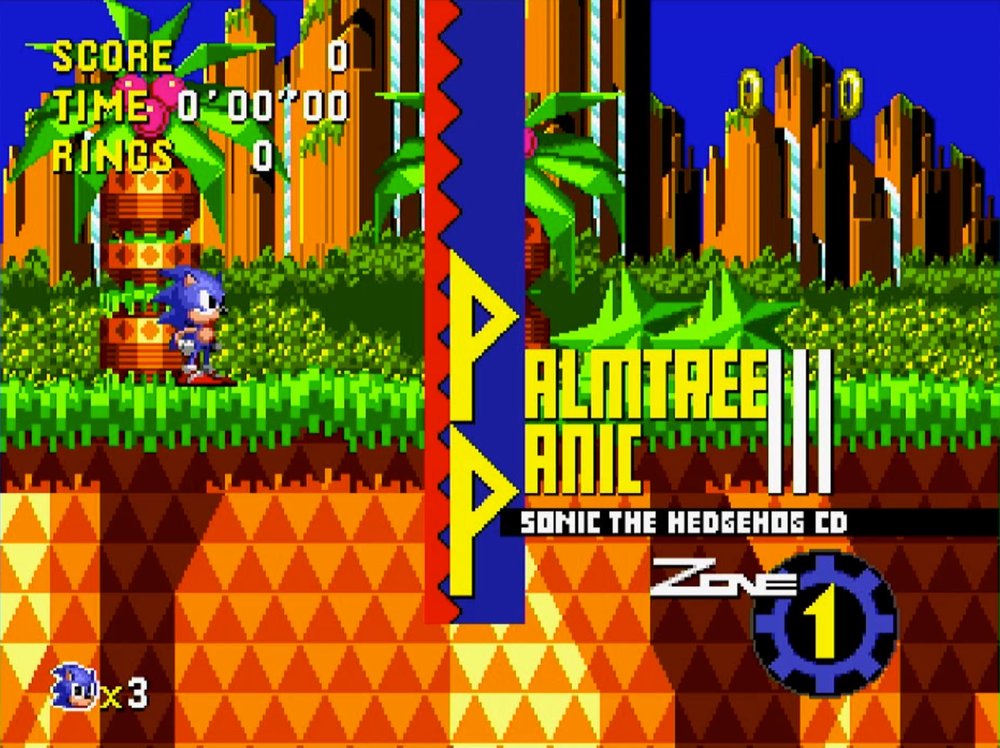
Sonic's one of my favourite characters from 90s gaming, so the moment we settled on doing the Mega CD — the Sega CD, if you're reading this from the other side of the Atlantic — this was always going to be the first game I reached for. If you wanted one cartridge-shaped argument for why the add-on existed, Sonic CD is the obvious place to start. It's still the Sonic we recognise from one through three, just bigger and louder, with CD-quality music and animated sequences bolted on.
Why it feels like the odd one out
Crucially, this wasn't Sonic 2 shoved onto a disc. It was developed separately in Japan with Sonic co-creator Naoto Ohshima directing, while Yuji Naka and much of the Sonic 2 team were working in America. That split probably explains why it feels noticeably different to its stablemates.
The big idea is time travel. Each level is dotted with signs marked past and future — hit one, hold enough speed for long enough, and Sonic shifts era. It isn't just a gimmick, either. Every zone effectively exists in multiple versions: past, present, good future and bad future. Head into the past, destroy Robotnik's machine generator, and you can turn that grim, industrialised bad future into something much brighter. Add the hunt for the seven Time Stones on top and there's a lot more going on here than reaching the end of an act.
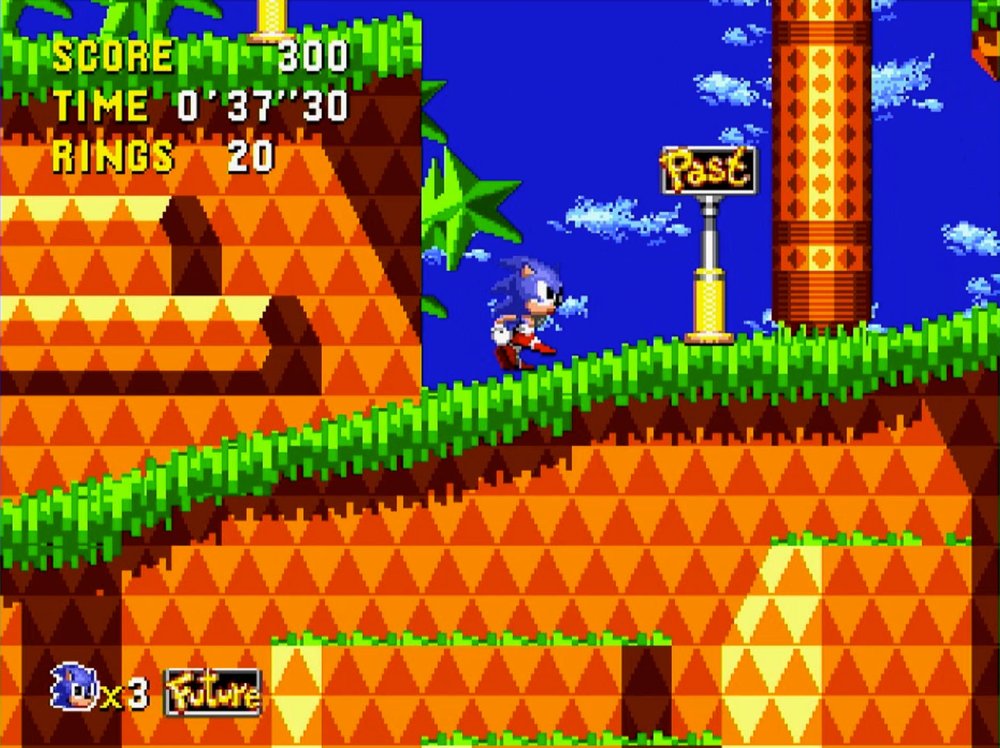
It's a Sonic game that sometimes feels like it's fighting against Sonic's own basic design.
That's where it gets strange for a Sonic fan like me. Classic Sonic wants you to build momentum and blast through a stage. Sonic CD asks for the opposite: stop, explore, find the right route, hit a sign, then find enough uninterrupted space to actually trigger the thing. In my playthrough I kept losing the effect before it kicked in, or reaching the end of a zone realising I'd walked past half a dozen opportunities to go back. There are a few moments where I genuinely wasn't sure what I was supposed to be doing.
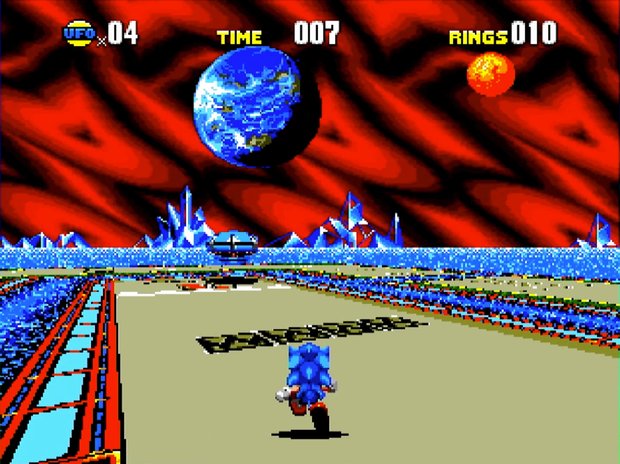
But I love the idea of it. A game from the early 90s — over 30 years ago — where how you play one part of the level influences another part is a lovely piece of design thinking. And Sega had form for this: the Master System Sonics were completely different games to the Mega Drive versions, and that first one leaned much harder into exploration than the speed-and-loops approach of its cartridge cousin. Bringing a bit of that back in is a good instinct. I suspect if I put more hours in I'd click with it properly.
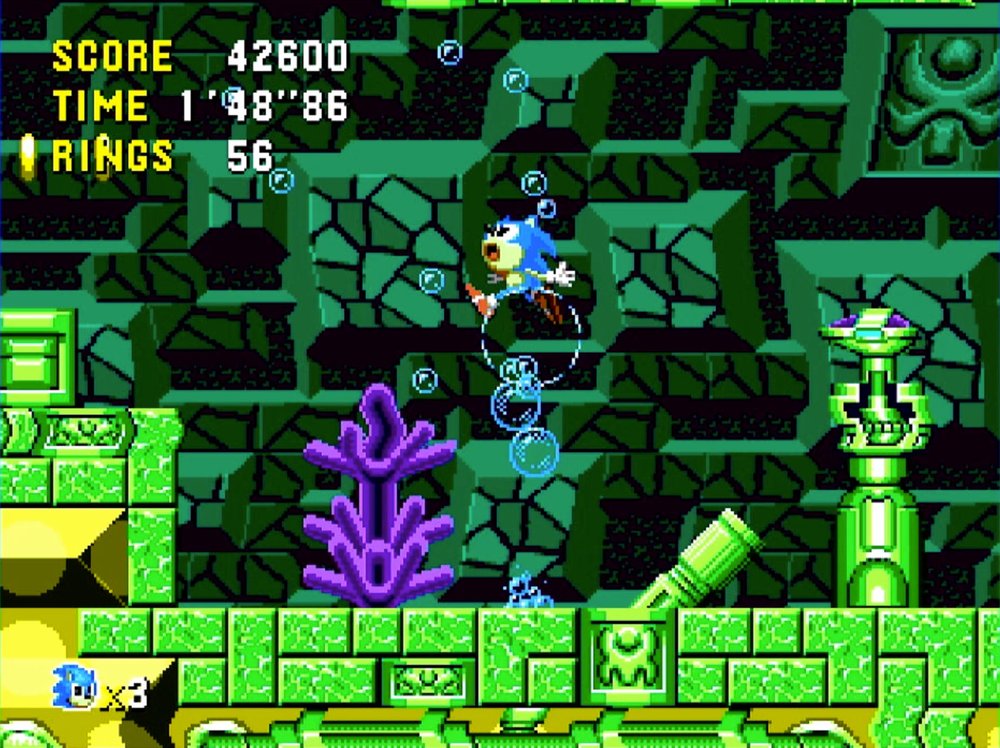
How I played it, and why that's a compromise I'm happy with
Normally I want these games on original hardware. Two problems this time. First, Sonic CD has got expensive. Hunt around and you'll see suggestions of £50 to £100 for a complete PAL copy, but I've rarely seen one under £90 — call it $120, $130 — and particularly nice copies go far beyond that. Second, Mega CD emulation is a pain, and that's putting it mildly. What I found on my Mac was frankly woeful, and for Sonic CD in particular it was nowhere near convincing enough.
So I played the version in Sonic Origins on the Nintendo Switch, of all machines, and I'd argue it's the better experience anyway. It traces back to Christian Whitehead's excellent 2011 remaster, rebuilt in his Retro Engine rather than just running the original through basic emulation. Widescreen, smooth performance, modern conveniences — you get effectively infinite lives and it saves and continues for you — and it still feels unmistakeably like Sonic CD. It looks fantastic on modern hardware. I picked the collection up for about £20, and it's a genuinely nice way back into the classics even if these games have been reissued a hundred times over.
The bits of history worth knowing
This is where Amy Rose and Metal Sonic turn up for the first time, and it gives us that superb race against Metal Sonic in Stardust Speedway. There's also the soundtrack oddity: the Japanese and European versions use the original score by Naofumi Hataya and Masafumi Ogata, while the North American release got a largely different one from Spencer Nilsen and David Young. Which version you grew up with genuinely changes the game's character.
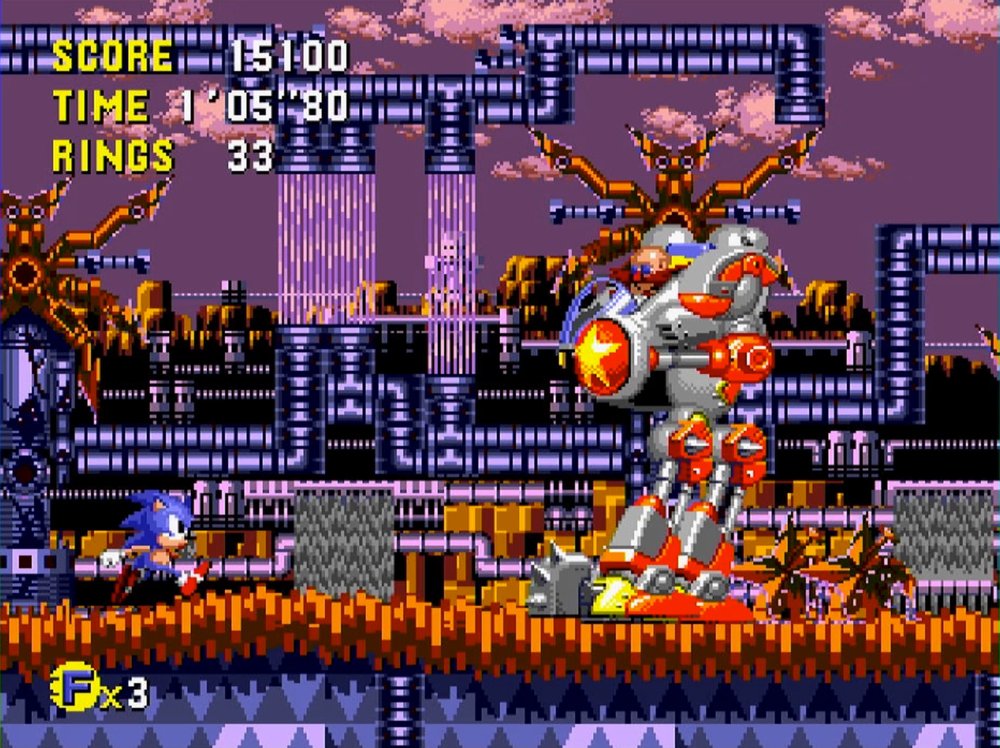
It reviewed extremely well at the time, and it's still regularly held up as one of the strongest Sonic outings of the 16-bit era. Was it enough to shift Mega CDs? Probably not, given how few of them sold. But as a Sonic game it stands with the rest: I love the first for that iconic soundtrack, Sonic 2 is probably my favourite (and the one I find hardest), Sonic & Knuckles is the only classic Sonic I've actually completed — and this sits comfortably among them.