Here's the thing I keep coming back to as I live with the PlayStation 3 this month: for all the pain of that launch — £425 here in the UK, notoriously difficult to develop for — this was one of the most ambitious consoles ever made. Certainly the most ambitious thing Sony ever made. Underneath the shiny black exterior was a machine that played games, played films, browsed the internet, ran Linux and helped scientists do actual research. Some of it worked. Some of it went completely off the rails. All of it is more interesting than the usual "expensive flop that came good" story.
So rather than retread the launch again, here are the things about the PS3 I think people either never knew or have simply forgotten.
The supercomputer in the entertainment unit
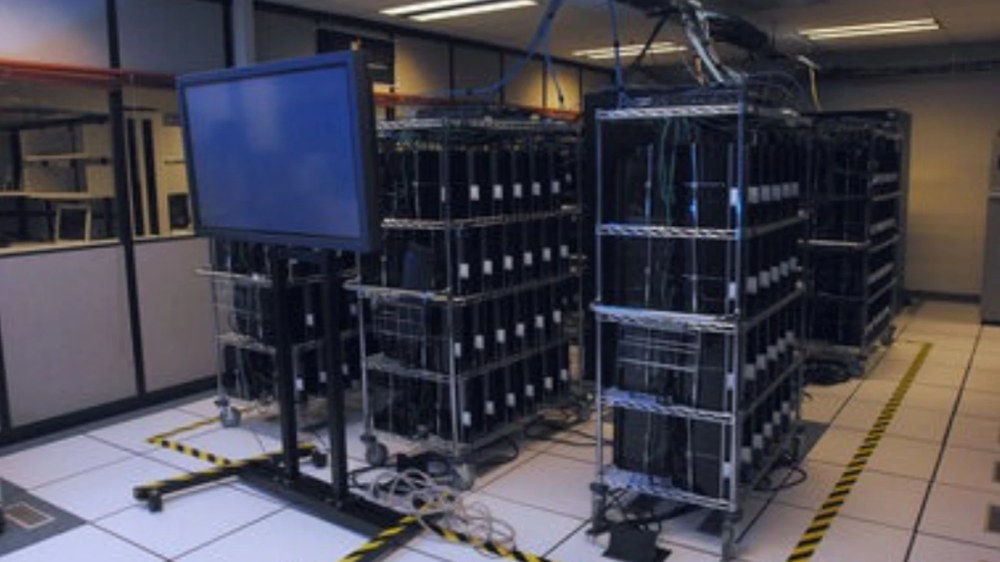
The strangest fact of the lot: the PS3 was powerful enough that scientists and the US military started using it for serious computing. In 2010 the US Air Force unveiled the Condor Cluster — a supercomputer built from 1,760 PlayStation 3s plus some additional hardware, designed for demanding tasks like image processing and research. I can only imagine the size of media wall you'd need for that lot.
And it wasn't just the military. Through Folding@home, ordinary owners could donate their console's spare processing power to scientific research — much as SETI had been doing with PCs for years — helping researchers simulate how proteins fold, work relevant to understanding Alzheimer's, Parkinson's and cancer. More than a million PS3 owners signed up, and the client ran from March 2007 until Stanford switched it off in November 2012. So while you were off making a cup of tea, your PlayStation was doing something genuinely useful. A considerable improvement on what mine does now, which is collect dust, collect fingerprints and occasionally beep at me for no apparent reason.
In the same spirit, the original machines had Other OS, which let you install an alternative operating system straight onto the console — most commonly Yellow Dog Linux, though Debian, Fedora, Gentoo, OpenSUSE and Ubuntu all ran on it too. A hypervisor blocked proper access to the graphics hardware, so it was never going to replace your Windows PC, but Linux did get six of the Cell's seven SPEs to play with — the same six a game would have had. It was a remarkable thing for a games console of that era. I had it installed on my launch machine and used it absolutely never, though I knew people who made proper use of it.
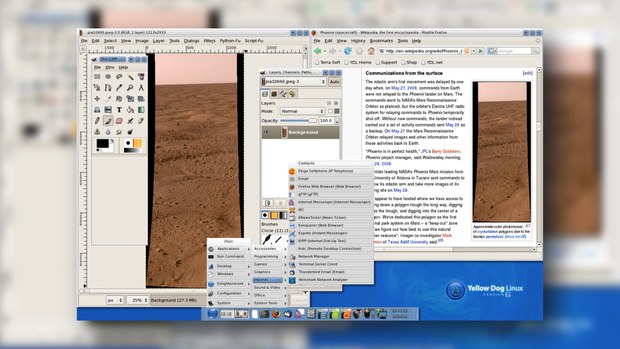
Then on the 1st of April 2010, firmware 3.21 removed Other OS from the machines that had it, citing security concerns. No April Fool. One day your PlayStation ran Linux; the next day it didn't, unless you refused the update and gave up the online store with it. A bit like buying a Swiss Army knife and discovering the manufacturer had remotely disabled the screwdriver.
Three generations in one box (if you were lucky)
You probably remember that early PS3s played PS2 games. What's more interesting is how. The original Japanese and American 20GB and 60GB models physically included the key PS2 hardware — the Emotion Engine processor and the Graphics Synthesiser — inside the console. Clearly the PS3 wasn't complicated or expensive enough already.
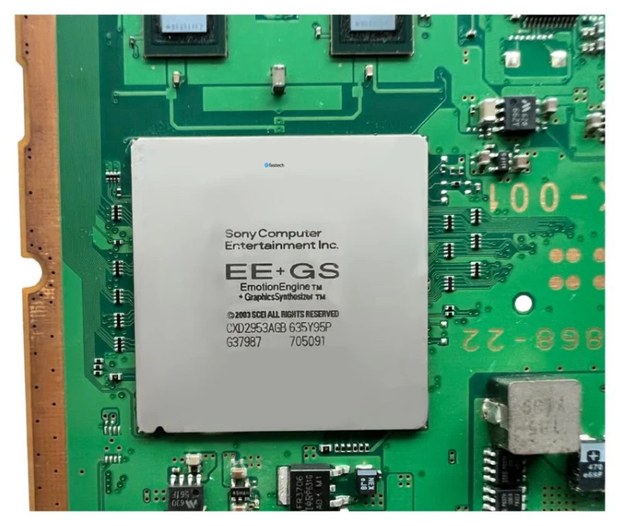
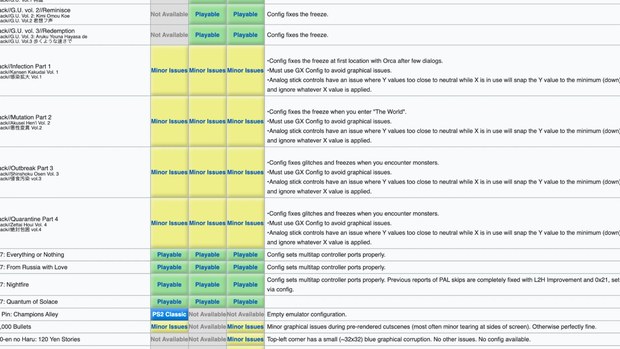
Here in Europe, of course, things were different. Our launch 60GB machines kept the Graphics Synthesiser in hardware but dropped the Emotion Engine, emulating it on the Cell instead. That cut manufacturing costs, and it meant compatibility was good rather than comprehensive — which is why I still remember the spreadsheet of what worked, what didn't and what was partly supported. A nuisance. Backwards compatibility vanished entirely with the Slim and Super Slim, and I think that's a shame. PS1, PS2 and PS3 on one machine was a lovely idea, and not one Microsoft could match — the 360 played a good chunk of the original Xbox library, but it only had two generations to work with.
Certain early models also played Super Audio CDs. Remember those? For a while you could buy one box and get a Blu-ray player, DVD player, CD player and SACD player thrown in. Sony stripped the expensive bits out of later models, presumably after someone in accounts looked at the costs and needed a lie down.
Some ideas were abandoned. Others were simply ahead of their time.
Ahead of its time, and occasionally bizarre
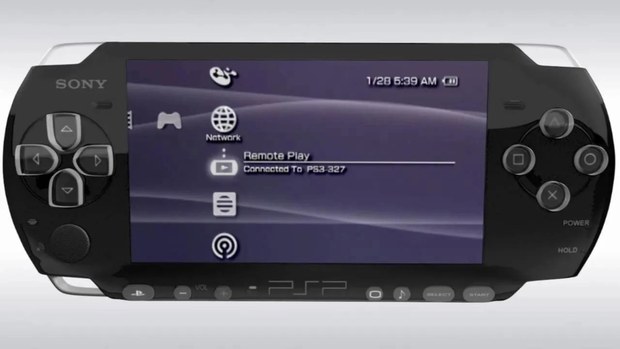
Remote Play is the one I actually used. In 2006 you could connect a PSP to your PS3 over a wireless network to listen to music, view photos, watch compatible videos and play a limited selection of games — later over the internet, from away from home. It was laggy and compatibility was extremely limited, but it was years ahead of the PlayStation Portal. Although, unlike the Portal, the PSP could also play its own games without another console. Imagine that, Sony.
PlayStation Home opened its beta in 2008 — avatars, virtual apartments, mini games, virtual shopping centres. Essentially the metaverse, more than a decade before anyone was saying the word, right down to spending real money on virtual furniture because paying for furniture in your actual house isn't expensive enough. It closed on the 31st of March 2015. Perhaps people just didn't fancy coming home from work, switching on the PlayStation and going shopping again.

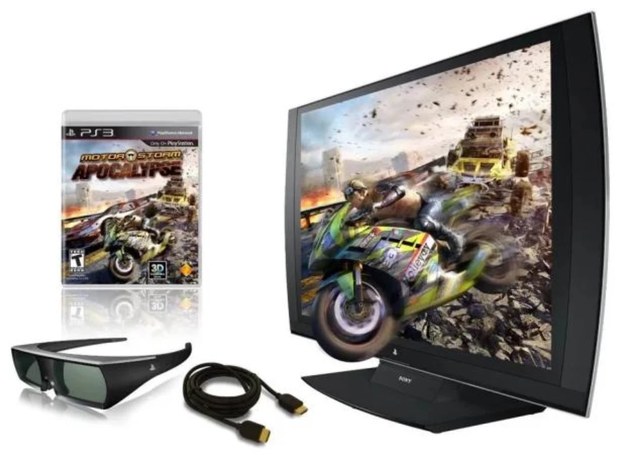
Then there was 3D. A 2010 firmware update brought stereoscopic 3D support, with games like Wipeout HD, Super Stardust HD and MotorStorm Pacific Rift. I thought it was genuinely impressive when it worked — though there were compromises in image quality and performance, and you needed an expensive 3D TV. Yes, I was that person. I loved that Sony set and only replaced it a few months ago when it finally gave up. The glasses are in a box under the bed with the SCART adaptors and the mystery cable nobody dares throw out.
The misfires
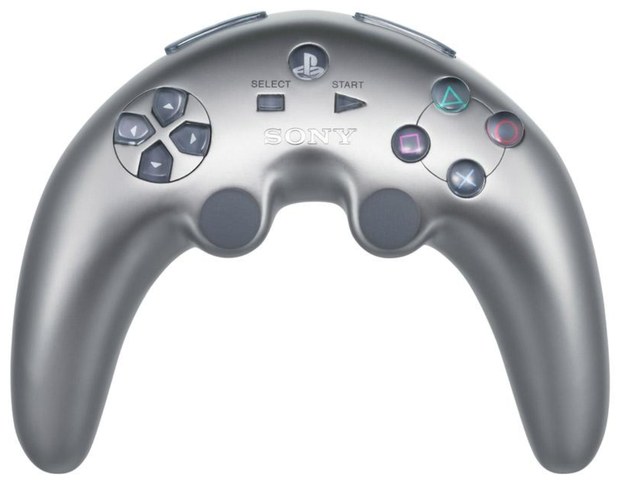
At E3 in 2005 Sony showed a controller that looked less like a gamepad and more like something Crocodile Dundee might lob at an unsuspecting kangaroo. The boomerang. I was genuinely a bit worried at the time — not that I'd have admitted that to any Xbox fans — but Sony quietly binned it and came back with something that looked remarkably like a DualShock 2. Probably for the best, though I do wonder whether the boomerang would have come back if you hurled it across the room in frustration.
The console also launched without rumble. Sony argued vibration interfered with the Sixaxis motion sensing — while coincidentally being tangled in a patent dispute with Immersion. Then the dispute settled, the DualShock 3 arrived in Japan in November 2007 with motion and rumble, and it turned out you could have both all along. Nintendo had been doing exactly that with the Wii Remote since 2006. Poor excuse, Sony. We didn't get the DualShock 3 in Europe until July 2008, by which point the argument had rather collapsed on its own.
One last oddity: the PS3 supported up to seven wireless controllers. Not four, not eight. Seven — and there's a reason for the odd number. The Bluetooth stack handles eight devices, and the console itself occupies one of the slots, which leaves exactly seven for pads. The harder technical challenge was finding seven people who wanted to come round, a game that supported it, and the courage to tell them you only owned two pads and they'd need to bring their own.
Not everything panned out. But twenty years on from launch, the sheer number of ideas Sony was throwing at this thing is exactly why it's still such an interesting machine to revisit.