On the 11th of November 2006, the PlayStation 3 launched in Japan. Six days later it arrived in North America. Here in the UK we didn't get to play on ours until March 2007, and we just had to watch from the sidelines, which was depressing. I remember it well. But in a way that was fitting, because the PS3 was about to spend its first few years doing something Sony really wasn't accustomed to: losing. Badly.
And yet, by the end of its life, around 87.4 million PS3s had sold worldwide. Microsoft's last official Xbox 360 figure was around 84 million. Microsoft stopped publishing precise totals before the 360 disappeared from sale, so I wouldn't pretend those numbers give us a perfectly clean finish line — but the recovery is undeniable. The machine portrayed as potentially Sony's greatest mistake ended the generation in roughly the same territory as the 360, and by those final reported totals, by a whisker, slightly ahead.
And no, before anybody reaches for the comments: none of them beat the Wii. Nintendo walked into an enormous technological arms race, handed everyone a tiny white remote, said "anyone for bowling?", and sold over 100 million. Apparently the real technological breakthrough of the seventh generation was convincing your nan to play tennis.
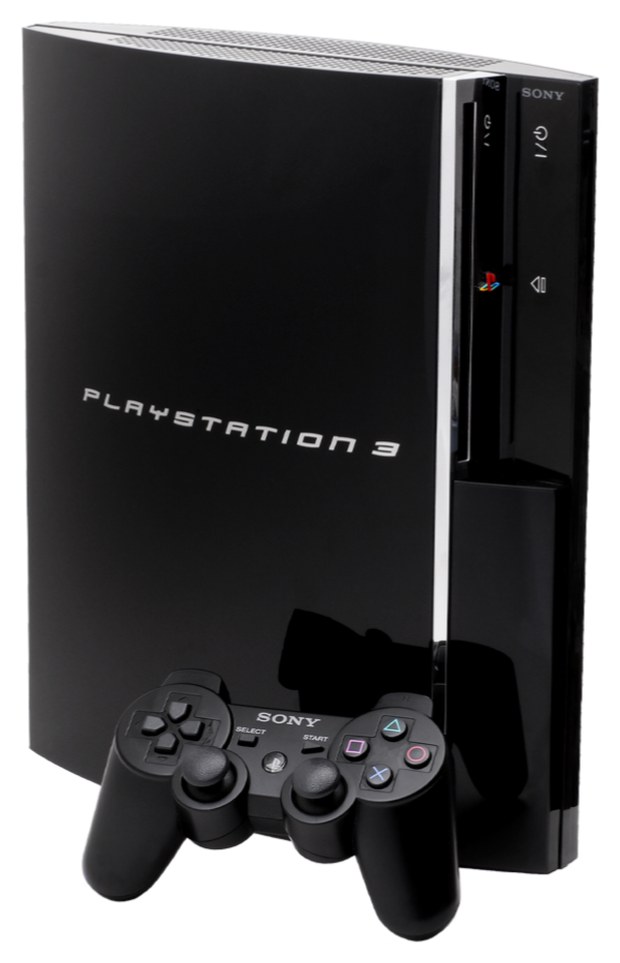
Three problems, straight out of the gate
Sony arrived with a bit too much skip in its stride. The PS3 was really, really expensive. It was infamously difficult to develop for. And Microsoft had been comfortably selling the Xbox 360 for a whole year already. Sony had gone from undisputed king of the living room to rocking up late, charging a king's ransom, and asking developers to learn computer science all over again.
The Cell processor, developed with IBM and Toshiba, was genuinely impressive on paper: one general-purpose PPE plus a row of specialised SPEs that could be blisteringly fast. There were eight of them on the die, but only seven were switched on in a PS3 — the eighth was disabled so Sony could salvage chips with a flaw in them — and of those seven, one was reserved for the operating system. So the headline number was eight, and what a developer actually got was six. Each had its own small chunk of local memory, 256K apiece, and you had to decide which jobs went where, shuttle the data between them by hand and keep it all in perfect harmony. Instead of a powerful new console, Sony handed developers a lightning-fast collection of tiny computers and said, go figure it out.
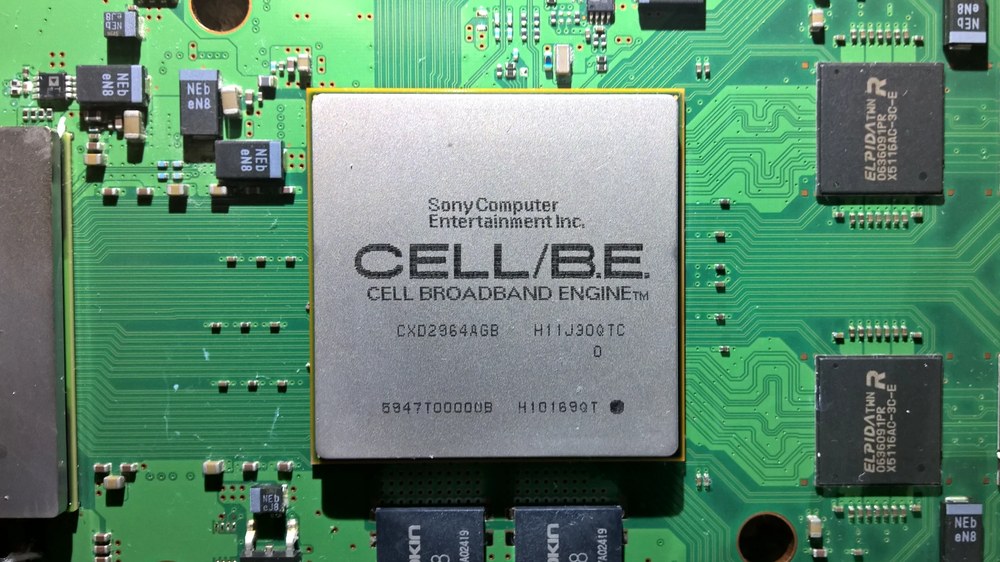
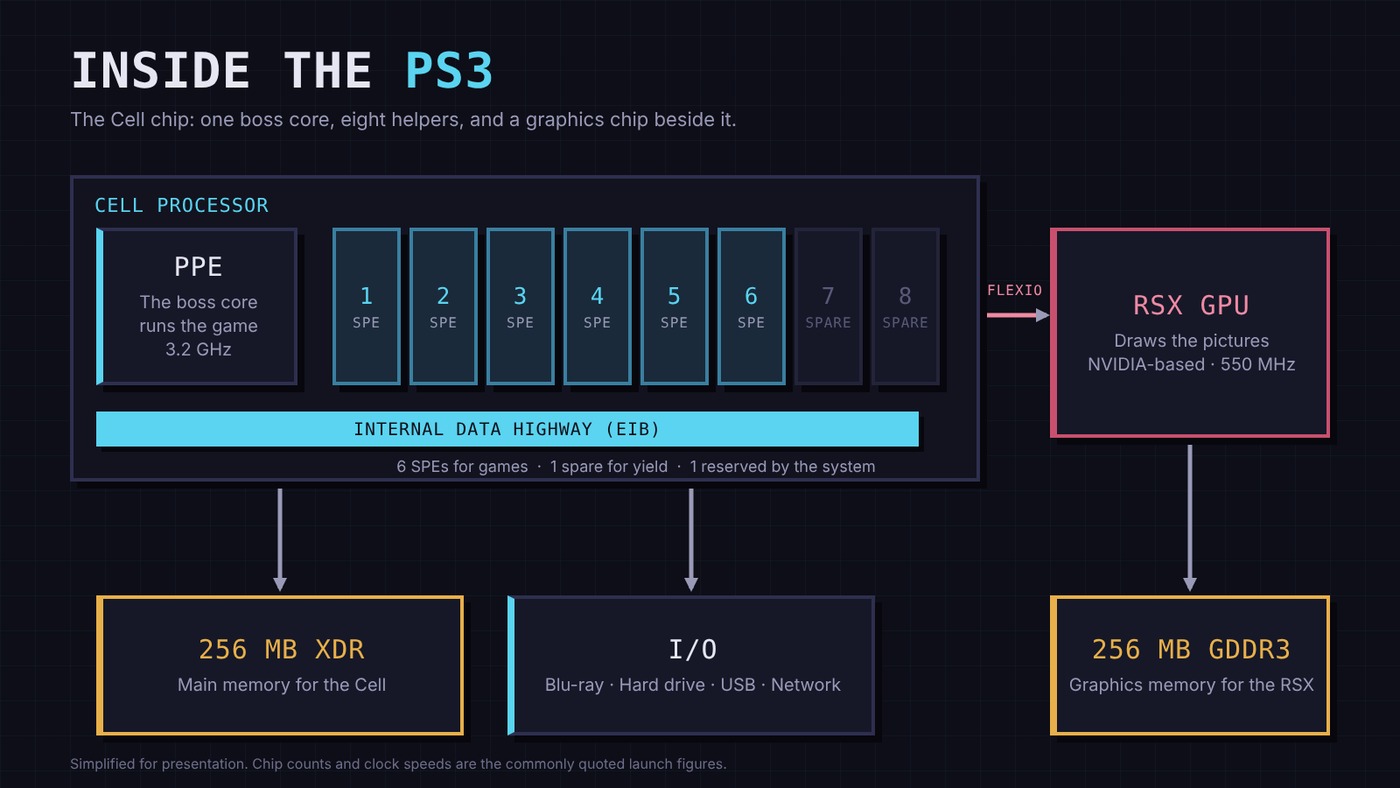
The 360's Xenon, by contrast, had three similar general-purpose cores each running two threads on a far more proven, far better understood architecture. Developers got results quickly. The PS3 was like being handed the keys to a Formula One car along with several boxes containing all the parts of the engine. Multi-platform games frequently ran better on 360 — worse frame rates on PS3, poorer textures, longer loads. Not for lack of horsepower. Nobody knew how to harness it yet. Meanwhile the US Air Force famously built the Condor Cluster out of 1,760 PS3s, so scientists had one of the fastest computers in the American defence establishment while the rest of us wondered why our game was running at about 17 frames per second.
$599 of "it only does everything"
At E3 2006 Sony announced two models: $499 for the 20GB and $599 for the 60GB. Six hundred dollars. For a games console. In 2006. The presentation became legendary for all the wrong reasons — giant enemy crabs, motion control, and that price. What the PS3 was really, really good at was emptying your wallet very quickly.
Then Europe got delayed by a shortage of Blu-ray drive components. Christmas 2006 came and went, Microsoft and Nintendo sold consoles, and European PlayStation fans got a promise. What Sony's European arm did put in the shops that November, with immaculate timing, was a limited edition pink PlayStation 2 — on the 8th, three days before Japan got the machine we'd been told we'd be getting. Your Ferrari hasn't arrived, but have you considered this lovely pink bicycle?
When it finally landed on the 23rd of March 2007 it was £425 here, with no 20GB option. Continental Europe paid €599, Australia AU$999.95, New Zealand NZ$1,199.95. We waited longer and we paid more. The authentic British consumer electronics experience.
My own launch day was gloriously uneventful. I hadn't pre-ordered, I'd lost interest, and then I changed my mind on the morning and walked into my local game shop. No queue, no fighting in the streets, no black-market console dealer meeting me round the back of Woolworths. Just "can I have one PlayStation 3 please" — and £425 vanished from my account. I was still excited.
Lair, and the rumble that wasn't
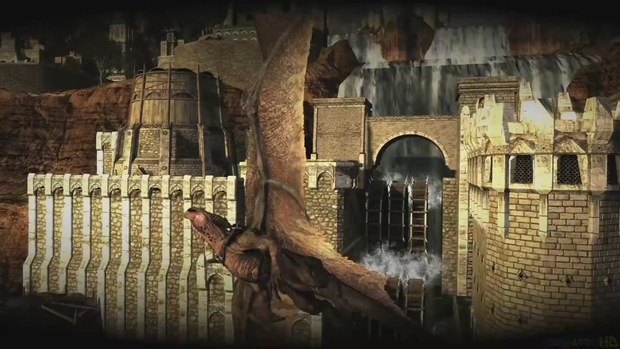
One of the exclusives I bought was Lair, and I desperately wanted it to be good. It was Factor 5 — the Rogue Squadron people — with dragons and huge battles. Essentially Rogue Squadron on the back of a dragon. How could they mess it up? Motion controls, that's how. You steered your dragon by tilting the Sixaxis, and I can still remember wrestling with the thing, trying to convince a dragon to fly where I wanted. It wasn't majestic. It was like steering a shopping trolley with a wonky wheel. I'd argued with Xbox fans for ages about how great it was going to be, and I just couldn't love it.
Making the Sixaxis stranger still, there was no rumble. Sony's line was that nobody needs rumble, it's a thing of the past, it doesn't add anything. Behind the scenes, Sony was embroiled in a patent dispute with Immersion over vibration technology — one it had already lost, and which it settled on the 1st of March 2007 for $97.2 million in damages, and north of $150 million once the licensing was counted. That was three weeks before the console went on sale here, still rumble-free. Hey presto, vibration turned out to be worth having after all, and it came back with the DualShock 3. Life finds a way. Or lawyers do.
The Blu-ray bet
First, let's kill an urban myth — and then the myth people reach for to replace it. Blu-ray did not win the format war because of adult content. Nor, for that matter, did VHS beat Betamax because of it: that story gets repeated endlessly and it doesn't survive contact with the evidence, because Betamax pornography existed in quantity. VHS won on recording time and on open licensing. People chose the tape that held a whole film.
Every PS3 contained a Blu-ray drive, and in 2006 that was a big part of why the machine cost so much. But Sony wasn't just launching a console, it was fighting a format war against HD DVD, and it really didn't fancy another Betamax. The clever part was that every PS3 sold also put a Blu-ray player under someone's television, at a time when standalone players weren't cheap. Suddenly that £425 looked a little different — still an eye-watering console, but a very capable film player too. If you wanted HD films and games, the maths got friendlier.
Sony also had enormous industry clout and pushed hard for Hollywood. On the 4th of January 2008, at CES, Warner Bros announced it was abandoning HD DVD and backing Blu-ray exclusively. That forced Toshiba's hand and they gave up on the 19th of February, six weeks later. Not quite flawless victory — Sony spent a fortune getting there, they genuinely bet the ranch — but the extravagance of 2006 now looked like a very clever long-term decision. Xbox 360 owners who'd bought Microsoft's external HD DVD drive owned a stylish USB paperweight. And note that HD DVD was only ever a movie add-on for Microsoft: 360 games were stuck with DVDs holding around 8GB while Blu-ray offered 25GB single layer or 50GB dual. That was always going to swing the balance eventually.
Three lights
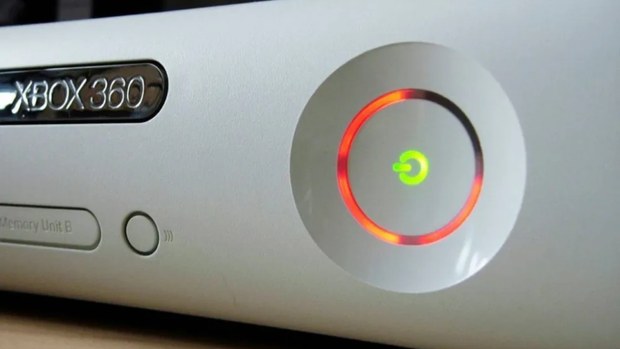
HD DVD wasn't Microsoft's biggest hardware problem. Three flashing red segments around the power button meant hardware failure, and game over. I'll admit it — we Sony lot relished the Red Ring of Death a little, which was mean of us. Early 360 hardware failed at an unacceptable rate, Microsoft extended the warranty to three years, and the cost came to $1.15 billion. That's not a repair bill, that's an infrastructure project. Peter Moore has described taking the scale of it to Steve Ballmer and effectively telling him that if Microsoft didn't deal with it properly, Xbox was finished. Ballmer isn't known for being the calmest individual; I'm not sure I'd have wanted to be a fly on that wall. To their credit, Microsoft paid up and fixed everybody's machines — but the reputational damage was substantial and the 360 never really recovered.
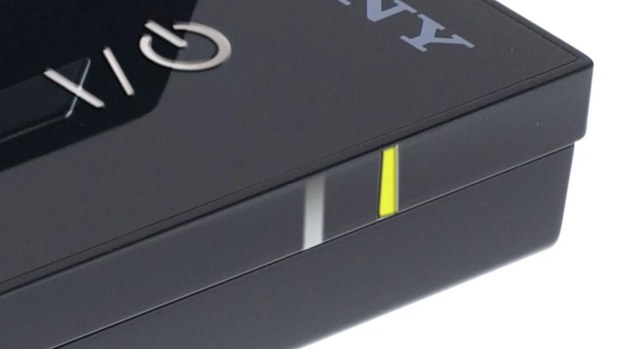
Before PlayStation owners get too smug, though: the Yellow Light of Death was real. Early fat PS3s could suffer serious failures after years of heat cycles. Mine died halfway through GTA V. There are bad times for a console to die, and then there's that. So I responded calmly and rationally by wrapping my £425 console in a towel with a hairdryer. It actually worked, briefly. It also completely melted the case. I repaired the electronics and redesigned the exterior. Very gaudy. Wouldn't recommend it. The important distinction is scale — PS3 failures never came close to the numbers of Microsoft's Red Ring crisis.
How Sony dug itself out
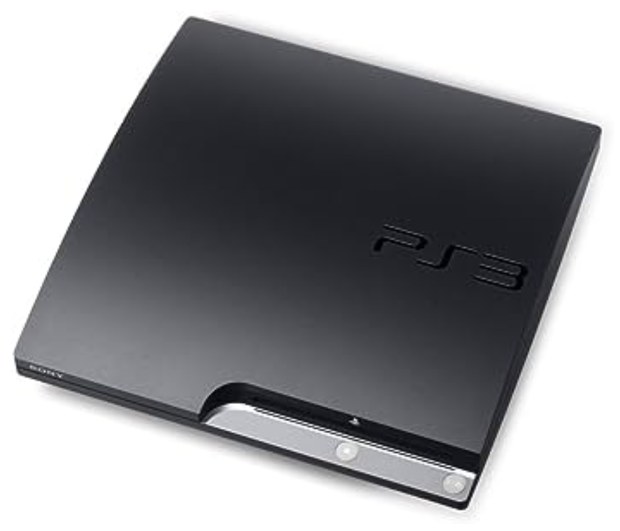
Price came first. The PS3 got gradually cheaper, and in September 2009 the Slim arrived at $299 in America and £249.99 here — nearly half price, smaller, lighter, far cheaper to manufacture and a bit more reliable. It was also considerably less likely to collect fingerprints if you looked at it wrong. The original was enormous, glossy, heavy and beautiful in its slightly ridiculous way, and capable of acquiring fingerprints while still inside the box. After a few hours it looked like its own crime scene. The Slim felt like Sony finally admitting a console doesn't need the dimensions of a George Foreman grill.
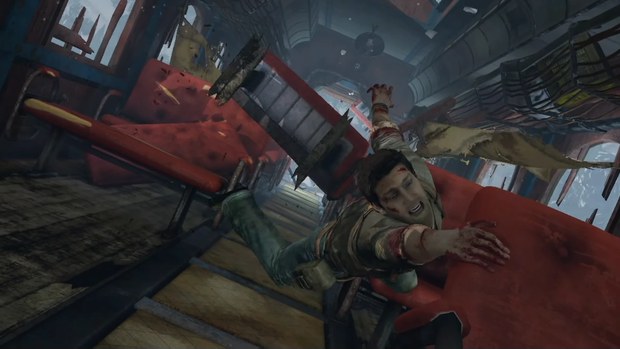
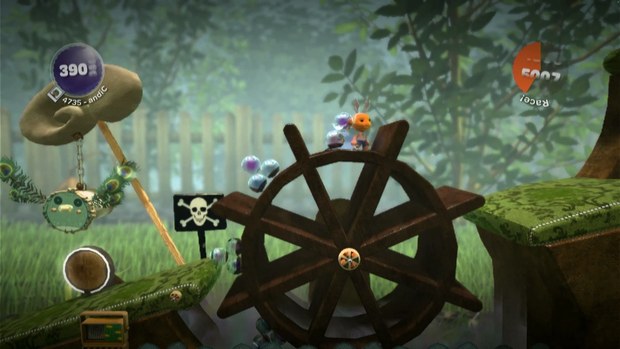
And then the games, because while Sony cut costs, developers were learning the art of Cell. Metal Gear Solid 4. LittleBigPlanet. Uncharted, and then Uncharted 2, which I think is where the conversation genuinely pivoted — the PS3 wasn't just catching the 360 any more, it had things you couldn't experience anywhere else. God of War III, Heavy Rain (very unusual, but a good game), a beautiful Gran Turismo 5, inFamous, Killzone. Naughty Dog pushed the hardware further and further until it culminated in The Last of Us.
It's also worth remembering how easy it is to tell this story entirely through American sales charts. Japan remained strongly PlayStation territory — never underestimate the loyalty entrenched in Japanese gaming — and Europe ultimately became enormously important to PlayStation too. Sony wasn't losing everywhere in the same way.
What I take from it
Sony got an awful lot wrong. Ridiculous launch price. An architecture that was powerful but punishing. A delayed Europe launch that annoyed everybody. A Sixaxis compromise nobody really understood. PlayStation Home, which promised far more than it delivered — I waited so long for that. And they entered the generation behaving like a petulant company that assumed everyone would simply buy it because it said PlayStation. They should have asked Sega about that, because consumers are very capable of just saying no.

But they adapted. Cut the price, redesigned the hardware, gave developers time to understand Cell, invested heavily in first-party studios, and backed Blu-ray. Physical media, Sony — you backed that. Remember? Maybe listen to your punters again. (And while we're here: why didn't you push like that with the Vita? Another story for another day.)
Console generations are long. You don't necessarily win them in a year, and you don't necessarily lose them there either.
Microsoft arrived first and built an enormous head start. Nintendo wandered off and won by doing something completely different. Sony spent years digging itself out of a hole of its own making — and ended up with one of the strongest exclusive libraries of the generation, the dominant HD disc format, a dramatically cheaper and more practical machine, and nearly 90 million consoles in homes worldwide. From $599, missing rumble and a processor apparently designed specifically to make programmers cry, to Uncharted 2, God of War III and The Last of Us. That's not a bad redemption arc.
Somewhere out there my original PS3 is presumably sitting in a landfill, covered in fingerprints, with a melted case, still holding on to my GTA V save.